
Lab-Grown Diamond Quality Guide: Understanding the 4Cs (Cut, Color, Clarity & Carat)
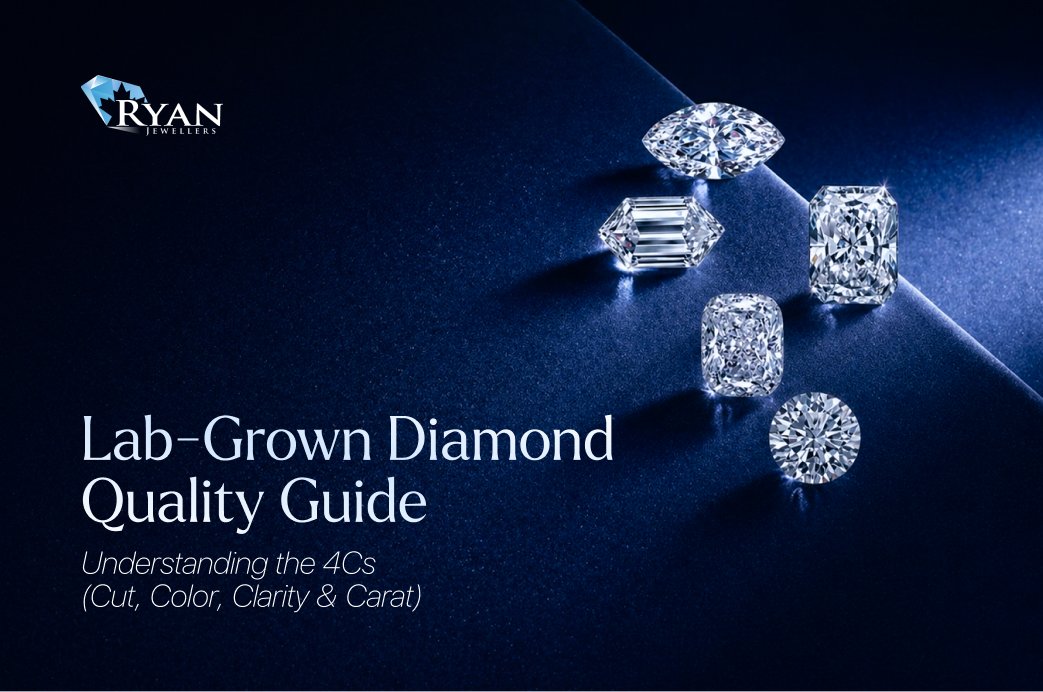
When shopping for a diamond, one of the biggest questions buyers ask is simple: how do you know if a lab-grown diamond is actually high quality?
Because lab-grown diamonds look identical to natural diamonds, many people assume price alone determines value. In reality, the true answer lies in understanding the 4Cs: Cut, Color, Clarity, and Carat.
If you’re searching for a complete lab grown diamond quality guide, learning how these four factors work together is the key to making a smart purchase—especially for engagement rings and fine jewelry in Canada.
The goal isn’t always buying the “highest grade” diamond. It’s about finding the right balance between beauty, performance, and budget.
In this guide by Ryan Jewellers, we’ll break down exactly what determines lab-grown diamond quality and how to choose the best diamond for your needs.
What Determines the Quality of a Lab-Grown Diamond
Lab-grown diamonds are graded using the exact same standards as natural diamonds.
They have the same:
- Chemical composition
- Physical structure
- Hardness (10 on the Mohs scale)
- Optical brilliance and fire
What determines their value is not whether they are lab-grown or natural—but how well they perform across the 4Cs.
These four grading factors are:
- Cut – how well the diamond reflects light
- Color – how white or colorless the diamond appears
- Clarity – the visibility of inclusions or blemishes
- Carat – the weight of the diamond
Understanding how these elements work together helps buyers in Canada choose diamonds that look better—not just diamonds that sound better on paper.
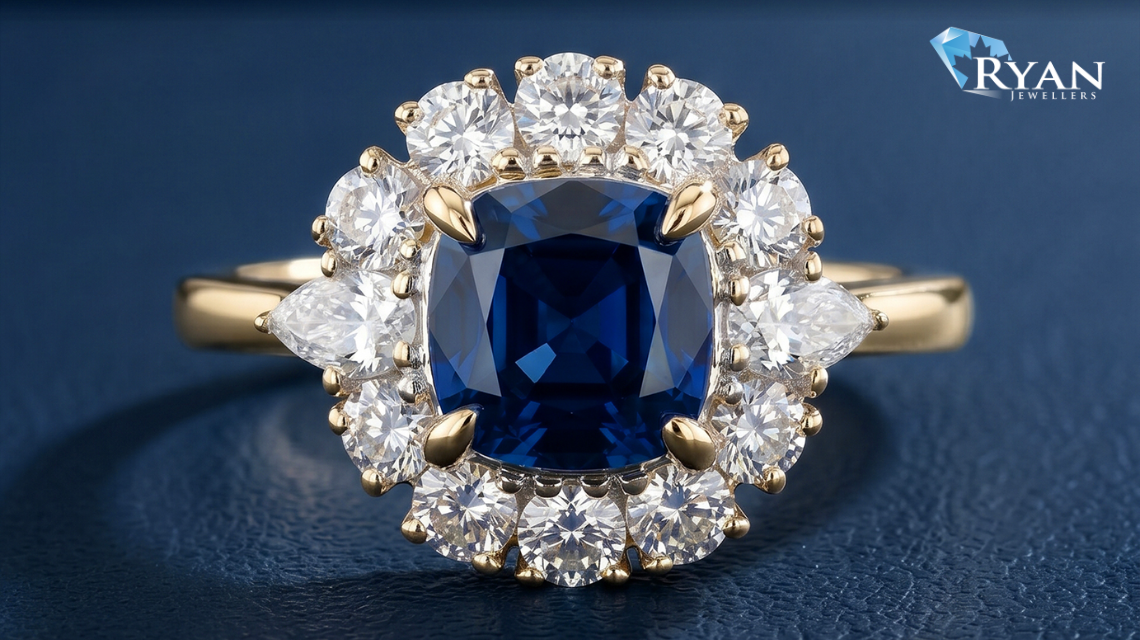
Cut: The Most Important Factor for Sparkle
Cut is widely considered the most important part of diamond quality because it directly affects brilliance.
A well-cut diamond reflects light properly, creating:
- Strong sparkle
- Better fire
- More brilliance
- Greater visual beauty
Even a diamond with excellent color and clarity can appear dull if the cut quality is poor. Popular cut grades include:
- Excellent
- Very Good
- Good
For engagement rings, choosing Excellent or Very Good cut is usually the smartest decision.
In many cases, a smaller diamond with excellent cut will look far more impressive than a larger diamond with poor proportions.
This is why most experts recommend prioritizing cut first.
Color: How White Should Your Diamond Be?
Color refers to how white or colorless a diamond appears.
Diamonds are graded from: D = completely colorless to Z = visible yellow or brown tint
Most Canadian buyers focus on the sweet spot between appearance and value.
Common practical choices include:
| Color Grade | Description | Best For |
|---|---|---|
| D–F: Premium Colorless | The highest level of whiteness with a bright, icy appearance and luxury-level quality. | Buyers wanting the brightest white appearance and premium quality |
| G–H: Near-Colorless | Very white in appearance and often considered the best balance between beauty and price. | Buyers looking for excellent overall value and strong visual quality |
| I–J: Warm Tones | Slightly warmer tones that can still look beautiful, especially in certain metal settings. | Buyers prioritizing larger size over color, especially with yellow gold settings |
For most engagement rings, G–H color offers the best balance between beauty and pricing.
In many cases, the visible difference between D and G is extremely small without side-by-side comparison.
Clarity: What Imperfections Really Matter
Clarity measures the small internal inclusions and external blemishes found in a diamond.
Because lab-grown diamonds are created in controlled environments, they often show fewer visible inclusions than natural diamonds.
Popular practical clarity grades include:
- VS1 (Very Slightly Included 1)
- VS2 (Very Slightly Included 2)
- SI1 (Slightly Included 1) if eye-clean
“Eye-clean” means the imperfections are not visible without magnification.
Most buyers do not need flawless clarity.
In fact, choosing VS2 or SI1 often provides excellent visual quality while saving a significant amount of money. Paying for flawless clarity usually adds cost without creating a visible difference in everyday wear.
Carat: Choosing the Right Size for Your Budget
Carat refers to diamond weight—not simply how large it looks.
This is one of the most misunderstood parts of diamond buying.
A higher carat does not automatically mean a better diamond.
Factors like:
- Shape
- Cut quality
- Proportions
- Finger size
all affect how large a diamond appears visually.
For example:
- Oval and pear shapes often look larger than round diamonds of the same carat weight
- A well-cut 1.2 carat diamond may look better than a poorly cut 1.5 carat stone
Because lab-grown diamonds cost less than natural diamonds, Canadian buyers often have more flexibility to increase carat size while maintaining strong cut and clarity.
The smartest strategy is balance—not simply buying the biggest stone possible.
How to Balance Quality and Value
The best diamond purchase is not the most expensive one—it’s the one that gives you the best overall value.
A practical buying strategy often looks like this:
Prioritize in This Order:
- Cut
- Color
- Clarity
- Carat
This helps ensure your diamond looks beautiful in real life, not just on a grading report.
Recommended Value Combination for Many Buyers:
- Excellent Cut
- G–H Color
- VS2 or SI1 Clarity
- Carat size based on budget
This combination often delivers the strongest visual performance while keeping pricing realistic.
For engagement rings in Canada, this is one of the most common “smart buyer” strategies.
FAQ: Lab-Grown Diamond Quality Guide
Are lab-grown diamonds lower quality than natural diamonds?
No. Lab-grown diamonds are real diamonds and are graded using the same standards as natural diamonds. Quality depends on the 4Cs—not where the diamond was formed.
What is the best clarity for a lab-grown engagement ring?
VS1, VS2, and eye-clean SI1 are the most practical choices for balancing beauty and value.
Is G color good for a lab-grown diamond?
Yes. G color is considered near-colorless and offers excellent value while still appearing bright and white.
Should I prioritize cut or carat?
Cut should come first. A well-cut diamond creates more sparkle and often looks better than a larger diamond with poor cut quality.
Do lab-grown diamonds have certification?
Yes. Most high-quality lab-grown diamonds are certified by trusted grading labs such as IGI and GIA.
Are lab-grown diamonds good for engagement rings?
Absolutely. They offer the same durability, brilliance, and beauty as natural diamonds—often at a significantly better price.
Before buying an engagement ring, it’s important to know what makes a lab-grown diamond high quality, how to choose the right ring style, and whether lab diamonds are truly real diamonds.
Explore these helpful guides next:
• Best Lab-Grown Diamonds for Engagement Rings: What to Look For
• How to Choose a Lab-Grown Engagement Ring: A Complete Buyer’s Guide
• Are Lab Diamonds Real? What You Need to Know Before You Buy
Looking for a ring that offers bigger sparkle and better value?
👉 Explore our full guide: Lab-Grown Diamond Rings: Bigger Sparkle, Better Value – Complete Guide & Collection to discover styles, pricing, and expert tips for choosing the perfect ring.
Find the perfect stone for your engagement ring today at Ryan Jewellers
Great guide—really like how it emphasizes that cut is the most important factor. For me, a well-cut diamond makes the biggest difference in sparkle, even more than carat size or clarity.”
I appreciate how the article explains the balance between the 4Cs instead of focusing on just one. Personally, I think choosing slightly lower color or clarity to get a better cut or larger carat is a smart way to maximize value.
Very informative read. I personally see carat as more about preference than quality, since a smaller diamond with excellent cut and clarity can look more brilliant than a larger one with lower grades.