
Summarize the article with:


Choosing a diamond ring is one of the most meaningful jewelry decisions many people make. Whether you are selecting an engagement ring, an anniversary gift, or a special diamond piece, finding the right ring requires understanding quality, style, budget, and long-term value.
For first-time buyers, the process can feel overwhelming with many factors to consider, from diamond characteristics and ring settings to metal choices and pricing. Learning how to choose a diamond ring can help you make a confident decision and select a piece that matches both your personal style and expectations.
For Canadian couples, diamond rings remain a popular symbol of commitment and celebration. Buyers often consider factors such as diamond quality, craftsmanship, certification, durability, and overall value when choosing the perfect ring.
Explore timeless diamond ring designs at Ryan Jewellers to discover elegant pieces created for engagements, weddings, and meaningful milestones.
Understanding the Most Important Diamond Ring Factors
When learning how to choose a diamond ring, understanding the main factors that influence appearance, quality, and price is essential.
A diamond ring is not only about the size of the diamond. The balance between the diamond characteristics, setting, metal, and craftsmanship determines the overall beauty of the piece.
The 4Cs of Diamond Quality
The 4Cs are the traditional factors used to evaluate diamonds:
| Factor | Description | How It Affects the Diamond |
|---|---|---|
| Cut | Refers to how well a diamond is shaped and polished | Influences brilliance, sparkle, and light reflection |
| Colour | Measures the presence of colour in a diamond | Higher colour grades generally appear more colourless |
| Clarity | Evaluates internal and external characteristics | Higher clarity can create a cleaner appearance |
| Carat | Refers to the diamond’s weight | Larger diamonds typically have higher prices |
Diamond Certification
A diamond certificate provides important information about the characteristics and quality of a diamond.
For many buyers, certification helps with:
- Understanding diamond specifications
- Comparing different diamonds
- Making informed purchasing decisions
Diamond Shape vs. Cut
Diamond shape refers to the outline and appearance of the diamond, while cut refers to how well the diamond interacts with light.
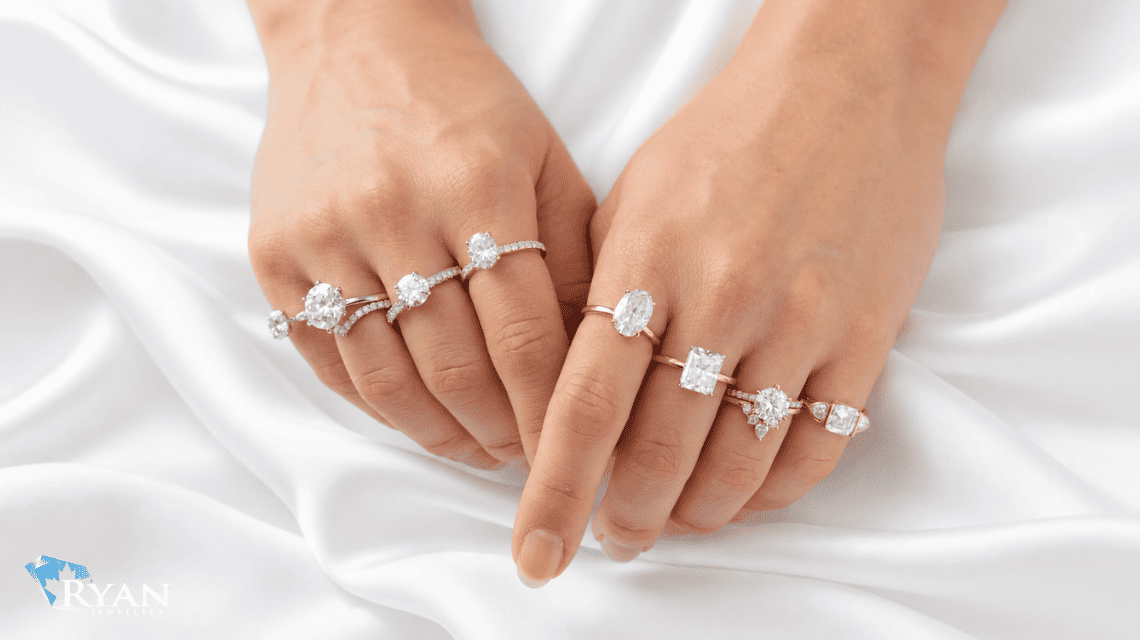
Popular diamond shapes include:
- Round
- Oval
- Cushion
- Princess
- Emerald
- Pear
- Marquise
Each shape creates a different style and visual effect.
Explore elegant diamond designs for every occasion with the Lab-Created Diamond Rings Collection.
How to Choose the Right Diamond Quality and Shape
The best diamond quality depends on personal preferences, lifestyle, and budget. A higher grade does not always mean a more beautiful diamond if the characteristics are not balanced properly.
Choosing Diamond Quality
When selecting a diamond, consider which factors matter most to you.
Prioritize Cut for Maximum Sparkle
Cut is often considered one of the most important factors because it directly affects how much light the diamond reflects.
A well-cut diamond can appear more brilliant even compared with a larger diamond with a lower-quality cut.
Consider Colour Based on Metal Choice
The ideal diamond colour can depend on the ring metal.
For example:
| Ring Metal | Common Diamond Colour Preference |
|---|---|
| White Gold | Colourless or near-colourless diamonds often complement the bright metal |
| Platinum | Colourless diamonds create a clean, modern appearance |
| Yellow Gold | Slightly warmer diamond colours may blend beautifully with the metal |
| Rose Gold | Many diamond colours can complement the romantic tone |
Balance Clarity and Budget
Many diamonds contain natural characteristics that are not visible without magnification.
Choosing the right clarity level often depends on whether imperfections are visible to the eye rather than selecting the highest grade available.
Popular Diamond Ring Shapes and Styles
The diamond shape plays an important role in the overall appearance of the ring.
| Diamond Shape | Style Characteristics |
|---|---|
| Round | Classic, timeless, and highly popular |
| Oval | Elegant appearance with an elongated shape |
| Princess | Modern and geometric |
| Cushion | Romantic with soft edges |
| Emerald | Sophisticated and vintage-inspired |
| Pear | Unique and elegant |
| Marquise | Distinctive and visually elongated |
The right shape should reflect the wearer’s personality and preferred style.
Selecting the Perfect Ring Setting and Metal
The ring setting determines how the diamond is displayed and protected, while the metal influences the overall appearance and durability.
Popular Diamond Ring Settings
Solitaire Setting
A solitaire setting features one central diamond.
Benefits include:
- Timeless appearance
- Focus on the centre stone
- Easy styling with different wedding bands
Halo Setting
A halo setting surrounds the centre diamond with smaller stones.
Benefits include:
- Additional sparkle
- Creates a larger visual appearance
- Elegant bridal style
Pavé Setting
Small diamonds are placed closely together along the band.
Benefits include:
- Extra brilliance
- Glamorous appearance
- Detailed craftsmanship
Three-Stone Setting
A three-stone ring features three diamonds representing different meanings, often associated with past, present, and future.
Explore our expert guides on choosing the perfect jewelry:
Choosing the Right Ring Metal
The metal choice affects colour, durability, and maintenance.
| Metal | Characteristics |
|---|---|
| Yellow Gold | Classic, warm, and traditional |
| White Gold | Modern appearance and popular for diamond rings |
| Rose Gold | Romantic and distinctive |
| Platinum | Durable, naturally white, and premium option |
When choosing a metal, consider:
- Lifestyle
- Personal style
- Desired colour
- Maintenance preferences
For everyday engagement rings, durability and comfort are especially important because the ring is often worn continuously.
How to Choose a Diamond Ring Within Your Budget
A common mistake for first-time buyers is focusing only on diamond size. A better approach is creating a balance between quality, design, and affordability.
Determine Your Budget First
Before shopping, establish a comfortable spending range.
This helps narrow options and prevents focusing on rings that do not align with your expectations.
Prioritize What Matters Most
Different buyers value different features.
Some may prefer:
- A larger diamond
- Higher colour grade
- Better cut quality
- A unique setting
- A premium metal
Understanding your priorities makes the selection process easier.
Consider Lab-Created Diamonds
Lab-created diamonds have become increasingly popular among Canadian buyers looking for alternative diamond options.
They offer:
- The same physical properties as natural diamonds
- Modern production methods
- Different pricing considerations
They can be an option for buyers seeking a diamond ring that aligns with their preferences and budget.
Think About Long-Term Value
A quality diamond ring should be enjoyable beyond the purchase moment.
Consider:
- Durability
- Timeless design
- Wearability
- Maintenance requirements
A classic design often remains beautiful for many years.
Diamond Ring Buying Mistakes to Avoid
Knowing common mistakes can help first-time buyers make better decisions.
Focusing Only on Carat Size
A larger diamond does not always mean a more beautiful diamond.
A smaller diamond with excellent cut quality may appear more brilliant than a larger diamond with weaker proportions.
Ignoring Diamond Certification
Without proper documentation, comparing diamonds can become more difficult.
Certification helps buyers understand what they are purchasing.
Choosing Style Without Considering Lifestyle
A detailed ring may look beautiful but may not be practical for someone with an active lifestyle.
Consider:
- Daily activities
- Comfort
- Ring maintenance
- Durability
Not Considering Future Wear
An engagement ring is often worn for decades.
Choose a design that remains comfortable, timeless, and meaningful over time.
Not Understanding Return and Warranty Policies
Before purchasing, understand:
- Warranty coverage
- Resizing options
- Maintenance services
- Return policies
These details can provide additional confidence.
Explore our expert guides on choosing the perfect jewelry:
FAQ About Choosing a Diamond Ring
What is the most important factor when choosing a diamond ring?
Many experts consider cut one of the most important factors because it directly influences diamond brilliance and sparkle. However, the best choice depends on your personal priorities and budget.
How much should I spend on a diamond ring?
There is no universal amount that everyone should spend. The ideal budget depends on personal finances, preferences, and the value you place on design and quality.
Should I choose a larger diamond or better quality diamond?
It depends on your priorities. Some buyers prefer size, while others prioritize brilliance, colour, clarity, or craftsmanship.
What diamond shape is the most popular?
Round diamonds are among the most popular choices because of their classic appearance and strong brilliance.
Are lab-created diamond rings a good option?
Lab-created diamonds are a popular option for buyers who want diamond jewelry with modern production methods and different pricing considerations.
What metal is best for an engagement ring?
The best metal depends on personal style, lifestyle, and maintenance preferences. Platinum, white gold, yellow gold, and rose gold are all popular choices.
Final Thoughts
Learning how to choose a diamond ring allows first-time buyers to focus on the factors that truly matter: quality, style, budget, and long-term meaning.
The perfect diamond ring is not necessarily the largest or most expensive option. It is the piece that matches your preferences, lifestyle, and the significance behind the purchase.
At Ryan Jewellers, we help Canadian customers discover timeless diamond rings and fine jewelry designed for engagements, weddings, and unforgettable moments.
Choosing a diamond ring can feel overwhelming with so many details to consider. I found the practical guidance here useful, especially the reminder to balance the diamond’s quality with the overall ring design and personal style.
I liked how this guide breaks down the decision into more manageable factors. Understanding the diamond itself, the setting, and how the ring fits your lifestyle makes it much easier to narrow down the options.
The advice about looking beyond the diamond’s appearance is particularly helpful. Factors such as cut, setting, durability, and personal preference can make a big difference when choosing a ring that you’ll want to wear for years.