
Summarize the article with:


Choosing the right bracelet size is essential for finding a piece that feels comfortable, stays secure, and complements your personal style. A bracelet that is too tight can restrict movement, while one that is too loose may slide excessively around the wrist or become easier to catch on clothing and objects.
For Canadian jewelry shoppers, bracelet sizing can vary depending on the bracelet style, clasp design, chain thickness, and preferred fit. Unlike rings, bracelets are not usually selected using a universal numerical size system. Instead, wrist circumference and the amount of additional room you prefer are important starting points.
This Bracelet Size Guide explains how bracelet sizing works, how to measure your wrist accurately, and how to choose a comfortable fit for different bracelet styles. It also covers practical tips for buying a bracelet as a gift.
At Ryan Jewellers, we help Canadian customers discover fine jewelry designed for everyday elegance and meaningful occasions. Explore our jewelry collection and use this guide to make a more confident choice when selecting your next bracelet.
How Bracelet Sizes Work
Bracelet sizing is primarily based on the circumference of your wrist and the amount of space you want between your wrist and the bracelet.
Unlike ring sizing, bracelet measurements can vary considerably between styles. A chain bracelet, tennis bracelet, bangle, and cuff may all require different approaches to finding the right fit.
Wrist Measurement vs Bracelet Length
Your wrist circumference and bracelet length are not necessarily the same measurement.
For example, if your wrist measures 16 cm around, a bracelet designed to fit comfortably may need to be longer than 16 cm to allow for movement.
The amount of additional length depends on whether you prefer a:
- Snug fit
- Comfortable everyday fit
- Loose fit
Common Bracelet Lengths
Bracelets are commonly available in different lengths, although exact sizing varies by retailer and design.
| Approx. Bracelet Length | Typical Use |
|---|---|
| 15–16 cm | Smaller or snug fit |
| 17–18 cm | Common everyday range |
| 19–20 cm | Comfortable or relaxed fit |
| 21 cm+ | Larger wrist or looser styles |
These measurements should be treated as general starting points rather than universal standards.
Bracelet Styles Affect Sizing
The bracelet’s construction can change how it should fit.
Chain Bracelets
Flexible chain bracelets can usually accommodate some movement around the wrist.
Tennis Bracelets
A tennis bracelet should generally sit securely without being excessively tight. Because the design contains multiple stones, excessive movement may affect how the bracelet sits and feels.
Cuff Bracelets
Cuffs are typically more structured and may not use the same sizing approach as flexible bracelets.
Bangles
Bangles need to be large enough to pass over the hand while still being comfortable once worn.
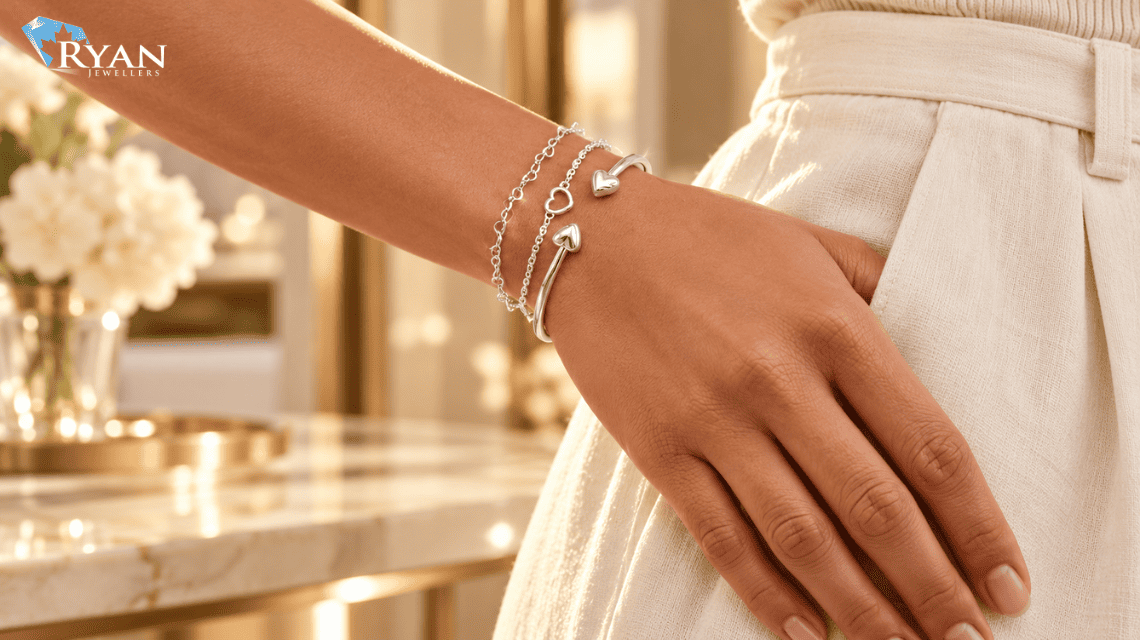
If you prefer understated, everyday elegance, explore our Minimalist Bracelets Collection for delicate designs that are easy to wear on their own or pair with other jewelry.
How to Measure Your Wrist for a Bracelet
Measuring your wrist accurately is the best starting point when choosing a bracelet size.
Using a Flexible Measuring Tape
The simplest method is to use a flexible measuring tape.
- Wrap the tape around the wrist where you normally wear a bracelet.
- Keep the tape against the skin without pulling it tightly.
- Record the circumference.
- Repeat the measurement to confirm the result.
Do not intentionally tighten the tape unless you specifically want to measure your minimum wrist circumference.
Using String or Paper
If you do not have a measuring tape, you can use:
- A piece of string
- A narrow strip of paper
- A ruler
Wrap the string or paper around your wrist, mark where the ends meet, then measure the length against a ruler.
Measure the Correct Part of Your Wrist
Most bracelets sit around the area just above the wrist bone.
However, the ideal measurement can vary according to the bracelet design.
For example:
- A chain bracelet may sit close to the wrist
- A cuff may sit differently
- A bangle needs to pass over the widest part of the hand
Measure More Than Once
For better accuracy, measure your wrist two or three times.
Small measurement differences can affect the final fit, particularly with bracelets that have limited adjustment options.
If you’re deciding between different men’s jewelry styles, explore our Chain vs Bracelet for Men guide to compare the two options and find a style that suits your everyday look.
Choosing the Right Bracelet Fit and Comfort Level
There is no single bracelet fit that works for everyone. Your preferred level of movement should influence how much additional space you choose.
Snug Fit
A snug bracelet sits relatively close to the wrist.
This style can work well if you prefer:
- Minimal movement
- A refined appearance
- Close-fitting jewelry
However, the bracelet should never feel restrictive.
Comfort Fit
A comfort fit provides some additional room for natural movement.
This is often a practical option for everyday jewelry because the bracelet can move slightly without feeling excessively loose.
Loose Fit
A loose bracelet has more room around the wrist.
It can create a relaxed appearance, but excessive looseness may cause:
- More movement
- More contact with surfaces
- Greater risk of catching on clothing
Consider the Bracelet’s Weight
The weight of a bracelet can also affect how it moves.
A lightweight chain may remain relatively close to the wrist, while a heavier bracelet may move more freely.
For valuable jewelry, a secure but comfortable fit is generally preferable to excessive looseness.
Popular Bracelet Sizes for Different Styles
Different bracelet styles have different sizing considerations.
Chain Bracelets
Chain bracelets are flexible and can often be worn with a small amount of movement.
For everyday wear, measure your wrist and choose a bracelet length that provides enough room for comfortable movement without being excessively loose.
Tennis Bracelets
Tennis bracelets require particular attention to fit because of their continuous row of gemstones.
The bracelet should:
- Feel secure
- Allow natural wrist movement
- Avoid excessive tightness
- Sit comfortably around the wrist
Because the design can be more structured than a simple chain, professional fitting can be useful when purchasing a valuable tennis bracelet.
Cuff Bracelets
Cuff bracelets are typically more structured and may be available in different sizes.
When choosing a cuff, consider:
- Wrist circumference
- Opening size
- Bracelet width
- How tightly the cuff should sit
A cuff that is too small can feel restrictive, while one that is too large may move excessively.
Bangles
Bangles are different because they need to pass over the hand before resting around the wrist.
For this reason, wrist circumference alone may not be enough.
Measure the widest part of your hand and compare it with the bangle’s internal dimensions.
Charm Bracelets
Charm bracelets may become heavier and longer as additional charms are added.
When choosing a charm bracelet, consider how much additional weight you expect to add over time.
A slightly more comfortable fit may provide room for the bracelet to accommodate additional charms.
If you’re looking for a thoughtful gift for him, explore our Men’s Bracelet Gift Ideas for stylish bracelet options suited to different personalities, occasions, and everyday looks.
Bracelet Sizing Tips for Gifts
Buying a bracelet as a gift can be challenging because you may not know the recipient’s exact wrist measurement.
Fortunately, there are several ways to make a more informed choice.
Check an Existing Bracelet
If you have access to one of the recipient’s bracelets:
- Lay it flat
- Measure its total length
- Check whether it has an extender
- Use the measurement as a reference
This can provide a better indication of their preferred bracelet size than guessing based on height or body type.
Ask Someone Close to Them
If the bracelet is intended as a surprise, a family member or close friend may know the recipient’s approximate size.
Choose an Adjustable Design
Adjustable bracelets can be particularly useful when purchasing a gift.
Options may include:
- Adjustable chains
- Extension chains
- Multiple clasp positions
These designs provide more flexibility if the exact wrist size is unknown.
Consider the Recipient’s Style
Sizing is not the only consideration when choosing a bracelet as a gift.
Think about whether the recipient usually wears:
- Delicate jewelry
- Bold statement pieces
- Gold bracelets
- Diamond bracelets
- Minimalist designs
A bracelet that matches their existing jewelry collection is more likely to become an everyday favorite.
Avoid Guessing Based on Height Alone
A person’s height does not provide a reliable way to determine bracelet size.
Wrist circumference varies considerably between individuals, so an actual measurement or existing bracelet is a much better reference.
How Bracelet Size Affects Everyday Comfort
The right bracelet size should work with your daily activities rather than simply looking good when you first put it on.
Wearing a Bracelet Every Day
For everyday jewelry, consider:
- Comfort
- Secure fastening
- Range of movement
- Bracelet weight
A bracelet that feels comfortable after several hours of wear is generally more practical than one that only feels comfortable for a short period.
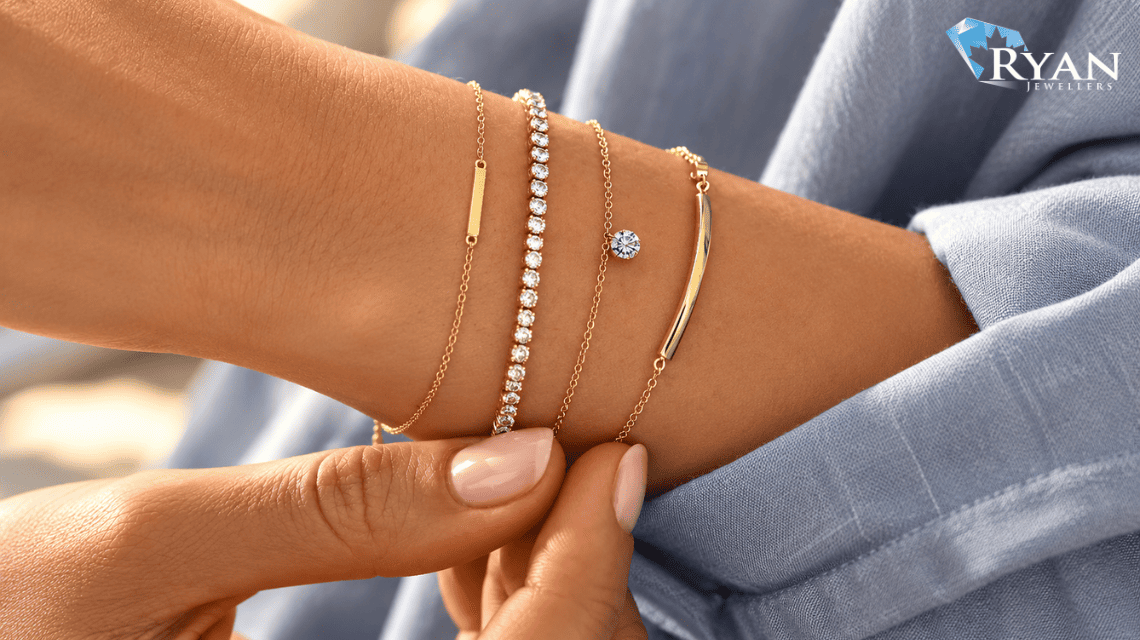
Wearing Multiple Bracelets
If you plan to stack bracelets, individual pieces may need slightly different fits.
For example:
- A snug bracelet can sit closer to the wrist
- A medium-length bracelet can provide visual separation
- A looser bracelet can create movement
Mixing different textures and sizes can create a more intentional layered appearance.
Bracelet Size and Clothing
Consider how the bracelet interacts with your clothing.
A bracelet that is too loose may catch on:
- Sweaters
- Sleeves
- Bags
- Other accessories
A secure fit can reduce unnecessary movement during everyday activities.
FAQ About Bracelet Sizes
How do I know what bracelet size I need?
Measure the circumference of your wrist and then consider how much additional room you prefer. The bracelet’s style and construction should also be taken into account.
How much bigger should a bracelet be than your wrist?
There is no universal amount because people have different comfort preferences and bracelet styles fit differently. A snug fit requires less additional room, while a relaxed fit requires more.
What is the most common bracelet size?
There is no single universal bracelet size. Many adult bracelets are offered in lengths around 17–19 cm, but the appropriate size depends on the individual’s wrist measurement and the bracelet design.
Should a bracelet be tight or loose?
A bracelet should be secure but comfortable. It should allow natural movement without feeling restrictive or sliding excessively around the wrist.
How do I measure my wrist without a measuring tape?
Use a piece of string or a narrow strip of paper. Wrap it around your wrist, mark where it meets, then measure the marked length with a ruler.
How should a tennis bracelet fit?
A tennis bracelet should sit securely while allowing comfortable wrist movement. It should not feel so tight that it restricts movement or so loose that it moves excessively.
How do I choose a bracelet size as a gift?
If possible, measure an existing bracelet belonging to the recipient or choose an adjustable design. Asking someone close to them can also help determine an approximate size.
Do bangles use the same sizing method as bracelets?
Not always. Bangles generally need to fit over the widest part of the hand, while flexible bracelets are usually selected based primarily on wrist circumference.
Can a bracelet be resized?
It depends on the design. Some chain bracelets can be shortened or extended, while certain bangles, cuffs, and structured designs may have limited adjustment options.
Final Thoughts
Finding the right bracelet size is about more than simply measuring your wrist. The bracelet’s design, weight, construction, and your preferred level of movement all contribute to the final fit.
For the most accurate result, start with your wrist circumference, consider the bracelet style, and decide whether you prefer a snug, comfortable, or looser fit. When purchasing a gift, an existing bracelet or adjustable design can make sizing much easier.
At Ryan Jewellers, we help Canadian customers discover fine jewelry designed for everyday elegance, special occasions, and meaningful moments. Explore our collection to find a bracelet that combines beautiful design with a comfortable, well-considered fit.
This is a useful guide for anyone unsure about choosing the right bracelet size. I especially liked the practical advice on measuring the wrist and allowing enough room for a comfortable fit.
The sizing information is straightforward and easy to follow. I found the explanation of how fit preferences can affect bracelet size particularly helpful, since some people prefer a closer fit while others like a little more room.
I appreciate the practical approach to bracelet sizing in this guide. Measuring carefully before ordering is especially important when buying jewellery online, where trying the bracelet on beforehand may not be possible.