
Summarize the article with:


Fine jewelry can look beautiful for years with regular at-home care, but routine cleaning does not always replace professional maintenance. Dirt can collect beneath gemstones, around settings, and inside intricate designs where a soft cloth cannot reach. Professional cleaning can also give a jeweller an opportunity to identify loose stones, worn prongs, damaged clasps, or other issues before they become more serious.
So, how often should jewelry be professionally cleaned? There is no single schedule that applies to every piece. The right frequency depends on the type of jewelry, how often you wear it, the materials and gemstones involved, and your daily activities.
For frequently worn engagement rings, wedding bands, and fine jewelry, professional cleaning and inspection can be a valuable part of long-term care. If you’re looking for fine jewelry designed for everyday wear or special occasions, explore Ryan Jeweller and use this guide to understand when your pieces may need professional attention.
Why Professional Jewelry Cleaning Is Important
At-home cleaning is excellent for removing everyday oils, dust, lotion, and other surface residue. However, professional jewelry cleaning offers benefits that a basic home routine cannot always provide.
Professional Cleaning Reaches Hard-to-Clean Areas
Jewelry often contains small spaces where dirt can accumulate.
These include:
- Under gemstones
- Between small diamonds
- Around prongs
- Inside intricate settings
- Between bracelet links
- Around clasps
- Along chain connections
A professional jeweller has the tools and experience to clean these areas more thoroughly while taking the construction of the piece into account.
Cleaning Can Restore Shine and Brilliance
Residue from skin oils, cosmetics, soap, and everyday environmental exposure can make jewelry appear dull.
This is particularly noticeable with diamonds. A buildup of oils on a diamond’s surface can reduce the amount of light entering and returning from the stone, making it appear less brilliant.
Professional cleaning can help restore the appearance of the metal and gemstones.
Cleaning Can Reveal Potential Problems
Professional jewelry cleaning should not be viewed only as a cosmetic service.
During maintenance, a jeweller can also look for signs of:
- Loose gemstones
- Worn prongs
- Damaged clasps
- Bent settings
- Worn links
- Surface damage
- Loose components
Identifying these issues early can reduce the risk of losing a gemstone or causing further damage.
Professional Cleaning Is Especially Useful for Frequently Worn Jewelry
A ring worn every day experiences considerably more exposure than a necklace worn occasionally.
Engagement rings and wedding bands, for example, come into contact with hand soap, lotions, surfaces, and everyday activities on a regular basis.
This makes periodic professional care particularly useful.
For more practical tips on keeping your jewelry clean and well-maintained, explore our How to Clean Jewelry Guide for safe and effective cleaning methods.
How Often Different Jewelry Types Need Cleaning
There is no universal professional cleaning schedule. Instead, consider how often the jewelry is worn and how exposed it is to dirt, moisture, chemicals, and physical contact.
Engagement Rings
An engagement ring worn every day can benefit from professional cleaning and inspection approximately once or twice a year.
More frequent attention may be appropriate if:
- You wear the ring during physical activities
- The ring becomes visibly dirty
- You frequently use lotions or cosmetics
- The setting contains many small stones
- You notice a loose stone or prong
Daily at-home cleaning can complement professional maintenance.
Wedding Bands
Wedding bands worn every day can follow a similar general schedule.
A simple band with no gemstones may require less specialized cleaning than a detailed diamond band, but regular inspection is still useful for identifying scratches, deformation, or other wear.
Diamond Rings
Diamond rings benefit from regular cleaning because diamonds readily collect oils from the skin.
A frequently worn diamond ring can be professionally cleaned and inspected around every six to twelve months, depending on its condition and wear.
Diamond Earrings
Earrings generally experience less physical impact than rings, but they can still accumulate oils, hair products, cosmetics, and dust.
Professional cleaning once or twice a year can be reasonable for frequently worn diamond earrings, while occasional pieces may require less frequent service.
Necklaces and Pendants
Necklaces typically experience less contact with hard surfaces than rings.
A necklace worn regularly may benefit from professional cleaning approximately once a year, particularly if it contains diamonds, intricate settings, or delicate links.
Bracelets
Bracelets can experience significant friction because they move against clothing, surfaces, watches, and other jewelry.
Frequently worn bracelets may benefit from professional cleaning and inspection around once or twice a year.
Gold Jewelry
Solid gold jewelry does not necessarily require frequent professional cleaning if it is maintained properly at home.
For regularly worn gold pieces, an annual professional cleaning can be a practical maintenance routine, particularly if the jewelry contains gemstones or detailed settings.
White Gold Jewelry
White gold requires additional consideration because many pieces have a rhodium-plated surface.
Professional maintenance may be needed when the rhodium finish becomes worn or the underlying warmer colour begins to show.
The timing varies considerably depending on how often the piece is worn and how much friction it receives.
Platinum Jewelry
Platinum does not tarnish in the same way as silver, but it can develop scratches and a natural patina through everyday wear.
Professional cleaning and polishing can be considered when the owner wants to restore a more polished appearance or when the jewelry requires inspection.
If your jewelry needs deeper care or expert attention, explore our Professional Jewelry Cleaning Guide to learn when professional cleaning is recommended and how it can help maintain your jewelry.
Signs Your Jewelry Needs Professional Attention
You do not always need to wait for your next scheduled cleaning.
Certain changes indicate that jewelry should be professionally inspected sooner.
The Jewelry Looks Dull Even After Cleaning
If you have gently cleaned a piece at home but it still looks unusually dull, professional cleaning may help remove buildup from areas that are difficult to reach.
A Diamond or Gemstone Moves
A loose gemstone is one of the most important warning signs.
If a diamond or other gemstone moves when you touch it, stop wearing the piece and have it inspected.
Continuing to wear it can increase the risk of losing the stone.
A Prong Looks Bent or Worn
Prongs hold gemstones in place.
If a prong appears:
- Bent
- Shorter than the others
- Thin
- Broken
- Rough or damaged
the jewelry should be professionally assessed before continued wear.
A Clasp Does Not Close Properly
A weak or damaged clasp can cause a necklace or bracelet to fall off without you noticing.
If the clasp no longer feels secure, professional repair may be more important than cleaning alone.
The Ring Has Taken a Hard Impact
If a ring has been dropped, hit against a hard surface, or exposed to significant impact, consider having it inspected even if there is no obvious damage.
Some setting problems can be difficult to identify without professional examination.
You Notice Scratches or Deformation
Minor surface scratches are normal with everyday wear.
However, deeper scratches, dents, bent bands, or changes in shape may require professional polishing or repair.
The Jewelry Has Not Been Professionally Checked for a Long Time
If a frequently worn piece has never received professional inspection, it may be worthwhile to have it assessed.
This is especially relevant for valuable engagement rings, wedding jewelry, and pieces containing multiple gemstones.
If you want a simple way to keep your gold jewelry looking polished, explore our How to Clean Gold Jewelry Guide for safe cleaning methods and practical care tips.
What Happens During Professional Jewelry Cleaning
Professional jewelry cleaning is more than simply placing a piece into a cleaning solution.
The exact process varies depending on the jewelry, but a typical service may involve several steps.
1. Initial Inspection
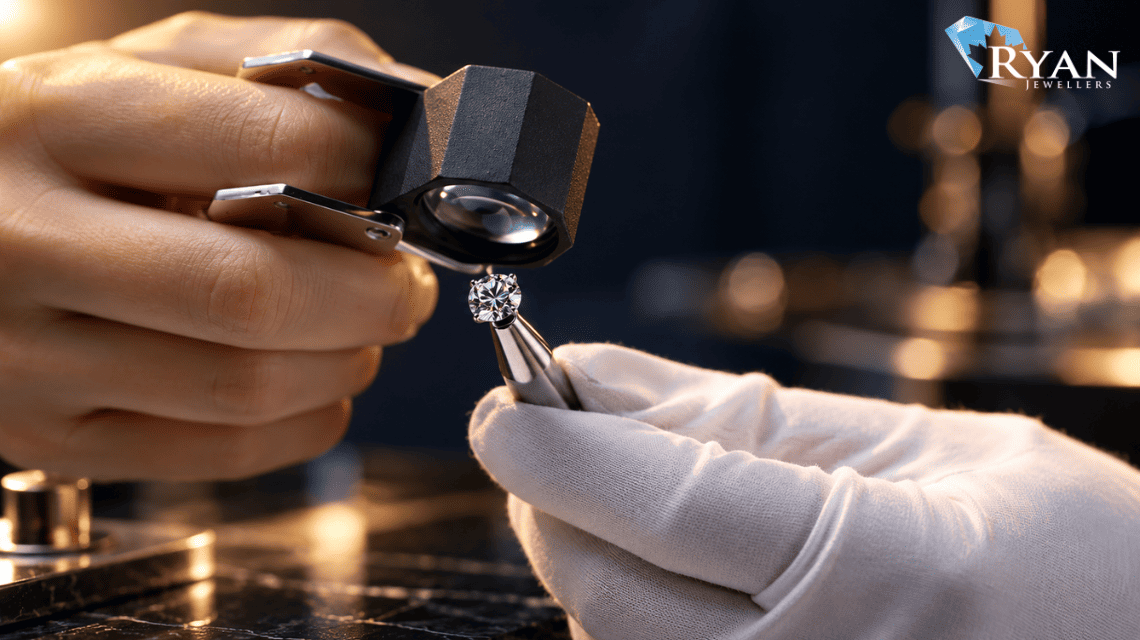
The jeweller examines the piece before cleaning.
They may check:
- Stones
- Prongs
- Settings
- Clasps
- Links
- Surface condition
- Visible damage
This step helps determine which cleaning method is appropriate.
2. Cleaning
The jeweller uses an appropriate cleaning method based on the materials and construction.
Depending on the piece, this may involve specialized cleaning equipment, gentle brushing, or other professional techniques.
Not every piece should automatically undergo ultrasonic cleaning.
Certain gemstones, treatments, delicate settings, or antique jewelry may require alternative methods.
3. Rinsing and Drying
After cleaning, the jewelry is thoroughly rinsed and dried.
The jeweller may then inspect the piece again to ensure that the jewelry is clean and that the settings remain secure.
4. Inspection of Stones and Settings
Professional cleaning provides an opportunity to identify potential issues.
For gemstone jewelry, the jeweller may check whether stones remain properly secured and whether the surrounding metal shows signs of wear.
5. Polishing When Appropriate
Some jewelry may benefit from professional polishing to reduce the appearance of surface scratches.
However, polishing should not be performed unnecessarily. It removes a small amount of surface metal and may not be appropriate for every finish.
6. Rhodium Maintenance for White Gold
If white gold has rhodium plating and the surface has become worn, professional refinishing may be recommended.
This is separate from ordinary cleaning and depends on the condition and appearance of the piece.
At-Home Care vs Professional Jewelry Maintenance
The best jewelry-care routine combines regular home maintenance with professional attention when necessary.
| Care Method | Best For | Recommended Approach |
|---|---|---|
| Soft cloth | Removing surface oils | After regular wear |
| Mild soap and water | Suitable gold and diamond jewelry | When visible residue appears |
| Separate storage | Preventing scratches and tangling | Every time jewelry is stored |
| Professional cleaning | Deep cleaning and inspection | Periodically, depending on wear |
| Professional inspection | Loose stones, worn settings, clasps | When issues appear or periodically |
| Professional polishing | Noticeable surface wear | When appropriate |
| Rhodium replating | Worn white gold finish | When the plating becomes visibly worn |
At-Home Cleaning Is Still Important
Professional cleaning does not mean you can ignore daily care.
A simple routine can help reduce the amount of buildup between professional appointments.
For suitable jewelry:
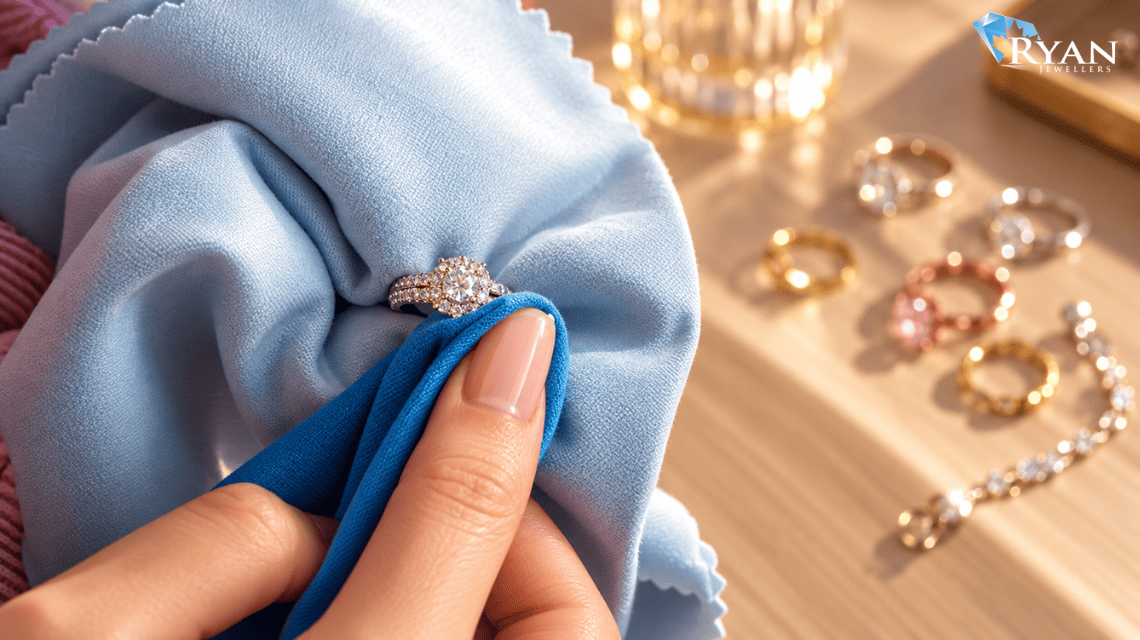
- Wipe pieces gently after wearing.
- Remove jewelry before swimming.
- Remove pieces before using strong household chemicals.
- Avoid wearing jewelry during heavy physical activities.
- Store pieces separately.
- Inspect valuable jewelry regularly.
Professional Cleaning Does Not Replace Repairs
Cleaning cannot fix a damaged setting.
If a gemstone is loose, a prong is broken, or a clasp is damaged, the priority should be professional inspection and repair.
Cleaning and maintenance may happen during the same appointment, but they serve different purposes.
If you want to keep your engagement ring sparkling between professional cleanings, explore our How to Clean Engagement Rings at Home Guide for simple and safe at-home cleaning methods.
How Often Should You Professionally Clean Jewelry?
A simple starting point is:
| Jewelry Usage | General Professional Care |
|---|---|
| Daily-worn engagement ring | About every 6–12 months |
| Daily-worn wedding band | About every 6–12 months |
| Frequently worn diamond jewelry | About every 6–12 months |
| Frequently worn gold jewelry | Around once a year |
| Occasionally worn jewelry | As needed |
| Heavily exposed jewelry | More frequent inspection may be appropriate |
| Jewelry with loose stones or damaged settings | Immediately, before continued wear |
These are general guidelines rather than strict rules. Jewelry that receives heavy daily wear may need attention sooner, while rarely worn pieces may require less frequent professional cleaning.
The condition of the jewelry should ultimately determine the timing.
FAQ About Professional Jewelry Cleaning
How often should jewelry be professionally cleaned?
For frequently worn fine jewelry, professional cleaning and inspection every six to twelve months is a reasonable general guideline. The appropriate frequency depends on the jewelry type, materials, gemstones, and level of wear.
Is professional jewelry cleaning necessary?
Not for every piece on a fixed schedule. Regular at-home cleaning can handle much of the everyday residue, but professional cleaning can reach difficult areas and provide an opportunity to identify loose stones, worn settings, and other problems.
How often should I professionally clean my engagement ring?
An engagement ring worn every day can generally benefit from professional cleaning and inspection about once or twice a year. If you notice a loose stone, damaged prong, or significant buildup, have it checked sooner.
Can I clean jewelry at home instead?
Yes, many suitable jewelry pieces can be gently cleaned at home using appropriate methods. However, at-home cleaning should complement rather than replace professional inspection for valuable or frequently worn pieces.
Is ultrasonic cleaning safe for all jewelry?
No. Ultrasonic cleaning is not suitable for every gemstone, treatment, setting, or jewelry design. A jeweller should assess the piece before ultrasonic cleaning when there is any uncertainty.
Does professional cleaning remove scratches?
Cleaning itself does not remove scratches. Professional polishing may reduce the appearance of some surface scratches, but the suitability of polishing depends on the metal, finish, and condition of the piece.
How often should white gold be professionally maintained?
White gold should be assessed when its rhodium plating becomes visibly worn or the warmer colour of the underlying alloy begins to show. The timing varies depending on how frequently the jewelry is worn.
Should I have jewelry professionally cleaned before an important event?
It can be worthwhile, particularly for engagement rings, wedding bands, diamond earrings, and other pieces that will be prominently photographed.
For valuable pieces, allow enough time for any necessary repair or refinishing rather than waiting until the day of the event.
What should I do if my diamond is loose?
Stop wearing the jewelry and have it professionally inspected as soon as possible. A loose stone can become dislodged through continued wear.
Can professional cleaning damage jewelry?
The cleaning method should be selected according to the materials and construction of the piece. Certain jewelry should not undergo aggressive cleaning or ultrasonic treatment, which is why professional assessment is important.
Does professional cleaning make diamonds brighter?
It can. Removing oils and residue from a diamond can improve its appearance and allow it to interact with light more effectively.
How often should antique jewelry be professionally cleaned?
Antique and vintage jewelry may require more cautious handling because of age, construction, previous repairs, or delicate settings. Instead of applying a standard cleaning schedule, have the piece assessed by a qualified jeweller before choosing a cleaning method.
Final Thoughts
So, how often should jewelry be professionally cleaned? For many frequently worn pieces, professional cleaning and inspection approximately every six to twelve months is a useful general guideline. However, the right schedule depends on how often you wear the jewelry, its materials, gemstone type, setting, and exposure to everyday wear.
Professional cleaning is most valuable when it is combined with regular at-home care. Gentle cleaning, proper storage, and careful daily habits can reduce buildup between professional appointments, while periodic inspections help identify problems before they become costly repairs.
If you notice a loose stone, damaged prong, weak clasp, unusual discoloration, or significant surface damage, do not wait for your next routine cleaning. Have the piece professionally assessed.
For more guidance on maintaining your fine jewelry or choosing a new piece for an engagement, wedding, gift, or everyday style, explore Ryan Jeweller and discover jewelry designed for lasting wear.
This is a very helpful guide, especially for someone who wears the same jewelry every day. I never really knew how often professional cleaning was necessary, so having a general routine to follow makes things much easier. Would you recommend more frequent cleanings for engagement rings compared to necklaces or earrings?
I appreciate how this article explains the difference between everyday cleaning at home and professional jewelry care. It’s easy to overlook small issues when a piece still looks shiny, especially when it’s something you wear regularly. During a professional cleaning, do jewelers usually check for loose stones and worn prongs as well?
This guide was a great reminder that proper jewelry maintenance is about more than just keeping everything looking beautiful. I especially liked the idea of adjusting the cleaning schedule based on how often a piece is worn and the type of material it’s made from. For people with sensitive skin, is professional cleaning also helpful for removing residue that may cause irritation?