
Summarize the article with:


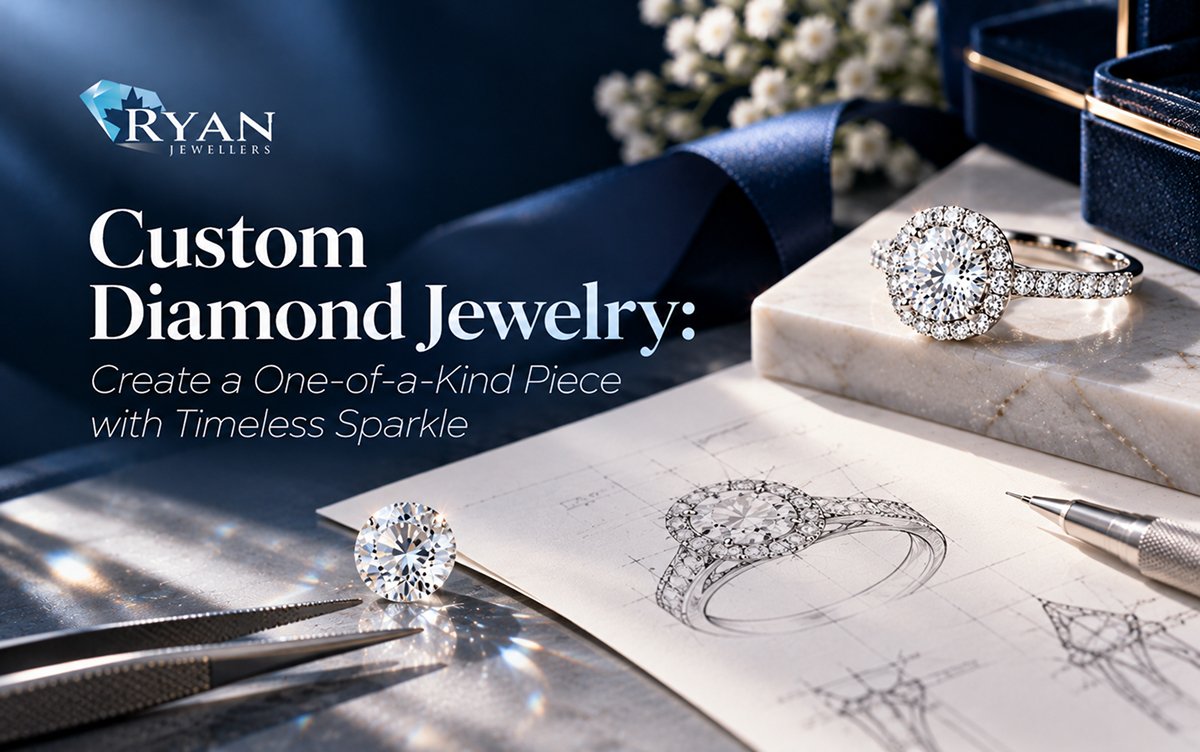
Custom diamond jewelry gives you the freedom to create a piece around your personal style, story, and budget. Instead of choosing a finished design, you can decide which diamond, metal, setting, proportions, and details should come together in the final piece.
For Canadian buyers, this approach can be particularly useful when you have a specific idea that is difficult to find in a ready-made collection. You can choose between natural and lab-grown diamonds, compare different diamond shapes, select a metal that suits your lifestyle, and create jewelry for an engagement, wedding, anniversary, or another meaningful occasion.
However, custom design is about more than making something visually different. The diamond needs to work with the setting, the metal should suit the intended use, and the finished piece should be comfortable enough to wear and maintain over time.
If you’re beginning to explore your options, visit Ryan Jeweller for inspiration before turning your idea into a custom piece.
What Is Custom Diamond Jewelry?
Custom diamond jewelry is jewelry that is designed or significantly modified according to an individual’s preferences, with one or more diamonds serving as an important part of the design.
The degree of customization depends on the jeweller. Some projects involve modifying an existing design, while others begin with an original concept.
Customization may include:
- Diamond shape
- Diamond carat weight
- Diamond colour and clarity
- Natural or lab-grown origin
- Metal type
- Gold karat
- Setting style
- Band or pendant proportions
- Accent diamonds
- Engraving
- Surface finish
Fully Custom Designs
A fully custom piece starts with an idea rather than a finished product.
For example, you might want an oval diamond in a low-profile yellow-gold setting with a hidden detail beneath the centre stone. The jeweller can then develop the design around those requirements.
You can also start with something less specific. A collection of reference images may be enough to communicate your preferred style.
Modified Designs
Customization does not always require creating something entirely new.
An existing design might be modified by changing:
- The centre diamond
- Metal colour
- Diamond size
- Accent stones
- Band width
- Pendant dimensions
- Engraving
This can be a practical option if you already like the basic structure of a piece.
Why Customization Matters
The main advantage is greater control.
You can decide where to prioritize your budget and which characteristics matter most. For example, one buyer may prefer a larger centre diamond, while another may prioritize a more intricate setting or a particular metal.
The goal is not simply to make jewelry that looks different. It is to create a piece in which the diamond, setting, metal, proportions, and personal details work together.
Choosing the Right Diamond for Your Design
The diamond is often the focal point of custom diamond jewelry, so selecting it carefully is essential.
Understand the 4Cs
The traditional framework for evaluating diamonds is the 4Cs:
- Cut
- Colour
- Clarity
- Carat weight
Each characteristic describes something different.
Cut relates to the diamond’s proportions and how its facets interact with light.
Colour describes the degree of body colour present in the diamond.
Clarity evaluates internal and surface characteristics.
Carat weight measures the diamond’s weight.
These characteristics should be considered together rather than treating one specification as the sole measure of quality.
Consider Diamond Shape
Popular diamond shapes include:
- Round
- Oval
- Emerald
- Pear
- Marquise
- Cushion
- Radiant
- Princess
The shape can strongly influence the personality of the finished jewelry.
For example, an oval or marquise diamond creates an elongated appearance, while a round diamond offers a more traditional look. An emerald cut can provide a more structured and understated appearance.
There is no universally best shape. The right choice depends on your personal style, the design, and your budget.
Look Beyond Carat Weight
Carat weight measures how much a diamond weighs. It does not directly indicate how large the stone will appear from above.
Two diamonds with the same carat weight can have different measurements and proportions. Therefore, when selecting a diamond for a custom piece, review its dimensions as well as its carat weight.
This becomes particularly important when the setting has been designed around specific proportions.
Review Grading Documentation
For a significant diamond purchase, grading documentation can provide useful information about the stone’s characteristics.
Make sure the documentation corresponds to the actual diamond being purchased.
If the diamond has an identification number or inscription, verify that the information matches the stone supplied.
Choose the Diamond With the Whole Design in Mind
A higher-priced diamond does not automatically create a better custom piece.
The diamond needs to work with:
- Setting
- Metal
- Band or pendant dimensions
- Accent stones
- Overall proportions
A well-balanced design can be more visually successful than simply choosing the largest available diamond.
If you’re ready to create a personalized diamond ring, explore our Custom Diamond Rings for design inspiration and one-of-a-kind options.
Natural vs. Lab-Grown Diamonds
Both natural and lab-grown diamonds can be incorporated into custom diamond jewelry.
The key distinction is their origin.
Natural Diamonds
Natural diamonds form through geological processes within the Earth over extremely long periods.
They can vary considerably in:
- Colour
- Clarity
- Carat weight
- Cut
- Shape
- Price
Lab-Grown Diamonds
Lab-grown diamonds are produced using technological processes in controlled environments. Two primary growth methods are high-pressure, high-temperature (HPHT) and chemical vapour deposition (CVD).
According to the Gemological Institute of America, laboratory-grown diamonds have essentially the same chemical composition, crystal structure, optical properties, and physical properties as natural diamonds. Their key difference is how they are formed.
Therefore, lab-grown diamonds should not be confused with diamond simulants such as cubic zirconia or moissanite. Simulants are different materials that can resemble diamonds but do not have the same composition and structure.
Which Option Should You Choose?
There is no universal answer.
When comparing natural and lab-grown diamonds, consider:
- Origin
- Individual diamond characteristics
- Grading documentation
- Measurements
- Appearance
- Budget
- Personal priorities
The choice should be based on what matters most to you rather than assuming one category is automatically better.
Why Documentation Matters
When purchasing a diamond, clear documentation can help you understand what you are buying.
GIA explains that laboratory-grown diamonds can receive distinct documentation identifying them as laboratory-grown. GIA also notes that laboratory-grown diamonds can be laser-inscribed with a report number and a statement identifying their laboratory-grown origin.
For Canadian consumers, accurate representation is important beyond diamonds as well. The Competition Bureau states that precious-metal quality marks must be truthful and comply with applicable requirements.
Custom Diamond Ring, Necklace, and Earring Ideas
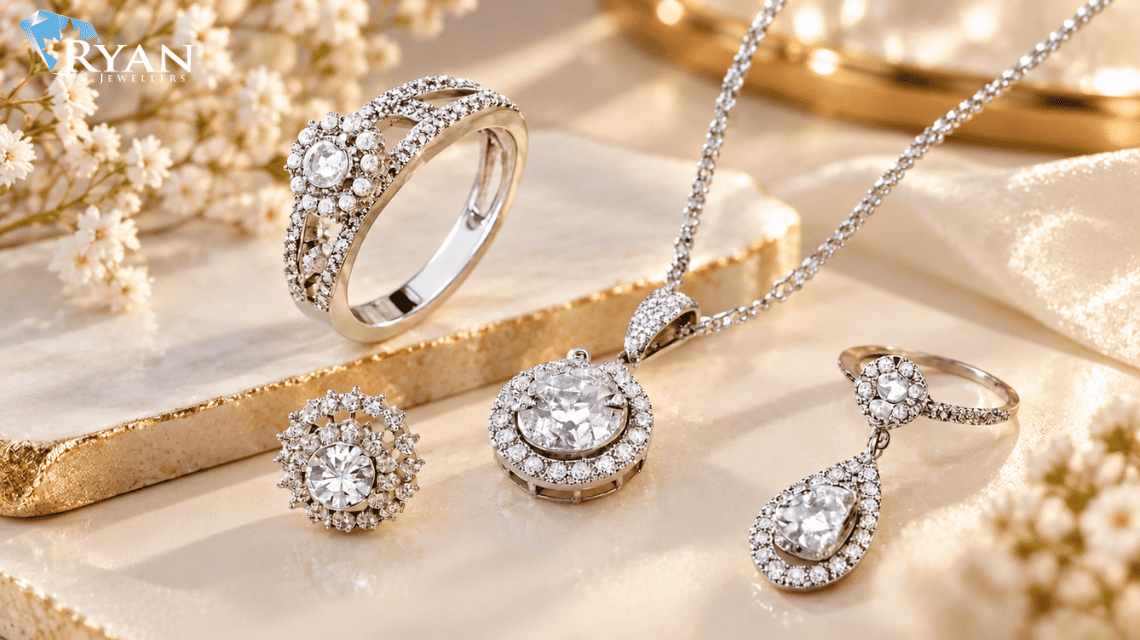
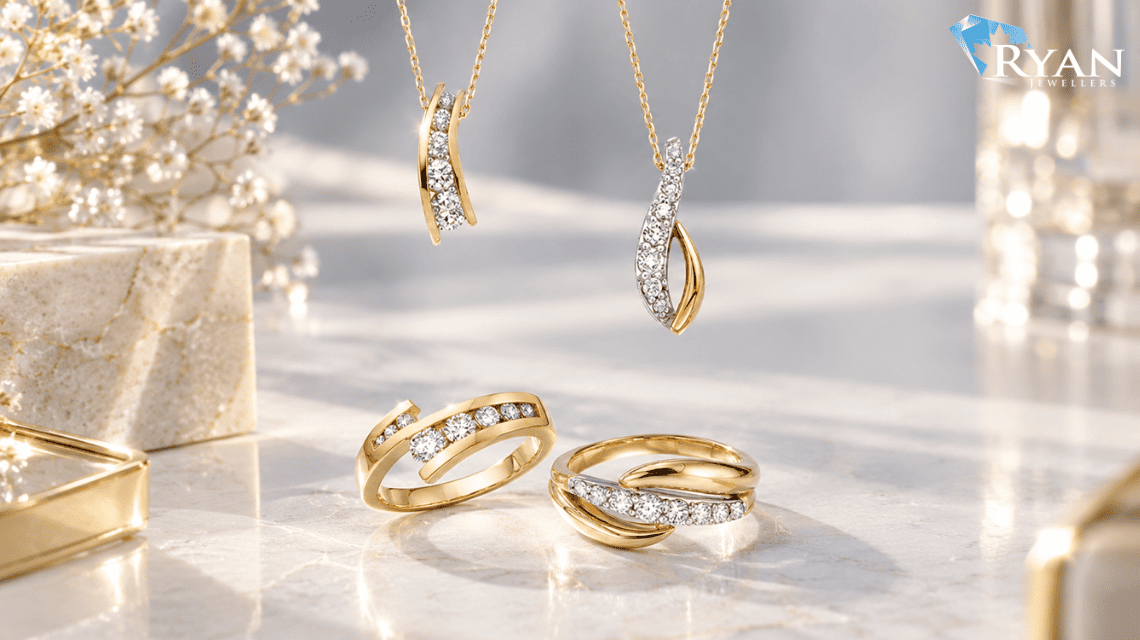
Custom diamond jewelry is not limited to engagement rings. The same design principles can be applied to necklaces, earrings, bracelets, and other pieces.
Custom Diamond Rings
Rings provide extensive opportunities for personalization.
Popular approaches include:
- Solitaire rings
- Halo rings
- Three-stone rings
- Bezel-set rings
- Pavé rings
- Vintage-inspired designs
- Minimalist rings
You can customize the diamond shape, metal, setting, band width, accent stones, and engraving.
For an everyday ring, however, aesthetics should be balanced with comfort and durability.
Custom Diamond Necklaces
A custom necklace can be designed around a particular diamond shape or personal motif.
Ideas include:
- Solitaire pendants
- Diamond clusters
- Initial pendants
- Geometric designs
- Layering pieces
- Personalized pendants
Consider the chain length, pendant size, neckline, and how the piece will interact with other jewelry.
A smaller diamond can create a subtle everyday pendant, while a larger centre stone may become a statement piece.
Custom Diamond Earrings
Earrings can be customized through both the stones and the overall structure.
Options include:
- Diamond studs
- Drop earrings
- Hoop designs
- Cluster earrings
- Geometric earrings
When designing earrings, consider symmetry, weight, comfort, and the hairstyle or occasions for which they will be worn.
Custom Diamond Bracelets
A bracelet can incorporate diamonds through several arrangements.
Possible designs include:
- Diamond stations
- Tennis-style arrangements
- Individual diamond accents
- Personalized links
- Mixed-metal designs
Clasp security and comfortable sizing are particularly important for pieces intended for frequent wear.
Anniversary and Milestone Jewelry
Custom diamond jewelry can also commemorate:
- Anniversaries
- Birthdays
- Graduations
- Family milestones
- Personal achievements
A new piece does not need to reproduce an existing jewelry style. It can instead incorporate a meaningful diamond, date, engraving, or design motif.
Selecting the Right Metal and Setting
The diamond may be the focal point, but the metal and setting provide the structure that brings the design together.
Yellow Gold
Yellow gold provides a warm and traditional appearance.
It can work particularly well with:
- Classic designs
- Vintage-inspired jewelry
- White diamonds
- Coloured gemstones
White Gold
White gold offers a cooler appearance and is widely used in contemporary jewelry.
Many white gold pieces receive rhodium plating to create a bright white surface. The plating can wear over time, so maintenance or replating may eventually be required.
Rose Gold
Rose gold has a warm pink tone created by its alloy composition.
It can give custom diamond jewelry a softer or more distinctive appearance.
Platinum
Platinum is naturally white and has a high density.
It is commonly selected for fine jewelry and gemstone settings. However, platinum can still develop scratches and a natural patina through everyday wear.
Gold Karat
Common gold qualities include:
| Gold Type | Approximate Gold Content |
|---|---|
| 10K | 41.7% |
| 14K | 58.5% |
| 18K | 75% |
| 22K | 91.6% |
| 24K | 99.9% |
Canadian regulations recognize gold quality designations from 9K through 24K when applicable quality marks are used. The Competition Bureau also specifies accepted quality designations and requires quality marks to accurately represent the precious-metal content.
For jewelry intended for everyday use, discuss the appropriate gold karat with your jeweller based on the design and intended wear.
Choosing the Right Setting
The setting should complement both the diamond and the way the jewelry will be worn.
Common options include:
Prong setting: Leaves more of the diamond exposed and can emphasize its appearance.
Bezel setting: Surrounds the edge of the diamond with metal and creates a clean, contemporary look.
Pavé setting: Uses closely set small diamonds to add additional sparkle.
Halo setting: Surrounds a centre diamond with smaller stones.
Channel setting: Places diamonds between metal walls.
There is no universally best setting. The appropriate option depends on the diamond shape, design, lifestyle, and desired appearance.
Think About Setting Height
For rings, setting height can affect both appearance and practicality.
A higher setting can make a centre diamond more prominent. A lower setting may feel more practical for someone who wants a ring that sits closer to the finger.
The diamond shape, setting structure, band design, and lifestyle should all be considered together.
How to Create a Custom Piece That Feels Truly Unique
The strongest custom jewelry designs do not necessarily contain the most details.
Often, personalization comes from one or two carefully considered elements.
Start With a Meaningful Idea
Think about why you are creating the piece.
It could represent:
- A relationship
- A milestone
- A family connection
- A personal achievement
- A significant date
This can help establish the design direction.
Use a Signature Diamond Shape
A specific diamond shape can become part of your personal style.
For example, you may prefer:
- Oval diamonds for an elongated appearance
- Round diamonds for a classic look
- Emerald cuts for a structured aesthetic
- Pear shapes for a distinctive silhouette
Add a Hidden Detail
A custom piece can include details that are meaningful without being immediately visible.
Consider:
- Engraving
- Hidden diamonds
- Birthstones
- Initials
- Dates
- Personal symbols
A hidden detail can make the piece feel personal without making the exterior design complicated.
Combine Different Styles
Custom design also allows you to combine elements that are not normally presented together.
For example:
Vintage-inspired setting + modern lab-grown diamond
or
Minimalist band + detailed hidden engraving
The important consideration is balance.
Design for the Person Wearing It
The final piece should reflect the wearer’s actual preferences.
Think about:
- Existing jewelry
- Wardrobe
- Lifestyle
- Comfort
- Frequency of wear
- Preferred metal
- Desired level of maintenance
A design that looks impressive but does not suit the wearer may not remain a favourite over time.
If you’re looking for more inspiration and practical guidance before starting your own design, read our Custom Jewelry Guide to explore custom design options, styles, and what to consider when creating a one-of-a-kind piece.
FAQ About Custom Diamond Jewelry
What is custom diamond jewelry?
Custom diamond jewelry is jewelry designed or significantly modified around a customer’s preferences, with one or more diamonds serving as an important part of the design.
Is custom diamond jewelry more expensive than ready-made jewelry?
Not necessarily. The final price depends on the diamond, metal, design complexity, craftsmanship, labour, setting, and other production requirements.
Can I use a lab-grown diamond in custom jewelry?
Yes. Lab-grown diamonds can be incorporated into custom rings, necklaces, earrings, bracelets, and other fine jewelry. They have essentially the same chemical composition and crystal structure as natural diamonds, while differing in origin.
Can I use my existing diamond in a custom piece?
Potentially. A jeweller should inspect the diamond before removing and resetting it to determine whether its condition and characteristics are suitable for the new design.
What diamond shape is best for custom jewelry?
There is no universally best shape. Round, oval, emerald, pear, marquise, cushion, radiant, and princess shapes all create different visual effects. Your choice should depend on personal style, design, and budget.
What metal is best for custom diamond jewelry?
There is no universal best metal. Gold and platinum have different characteristics relating to colour, purity, durability, maintenance, and price. The right choice depends on the design and intended use.
What gold karat should I choose?
10K, 14K, and 18K are common choices for frequently worn jewelry. Higher-karat gold contains more pure gold but is generally softer. Discuss the appropriate option with your jeweller based on the design.
Can custom diamond jewelry include coloured gemstones?
Yes. Diamonds can be combined with sapphires, rubies, emeralds, aquamarine, tourmaline, and other gemstones. Their durability and care requirements should be considered before selecting them for everyday jewelry.
How long does custom diamond jewelry take to make?
The timeline varies according to design complexity, diamond availability, material sourcing, design revisions, manufacturing, stone setting, engraving, and finishing. If the piece is required for a specific occasion, communicate the deadline at the beginning.
Can I see the design before production?
Many jewellers can provide sketches, technical drawings, or CAD renderings before production. Ask how many revisions are included before approving the final design.
Can custom diamond jewelry be resized or repaired?
Depending on the piece, resizing and repairs may be possible. However, intricate settings, fully stone-set designs, and certain construction methods can limit what can be changed. Ask about future maintenance before ordering.
What should I ask a custom jeweller before ordering?
Ask about the diamond specifications, origin, grading documentation, metal and karat, design revisions, total price, production timeline, deposit, cancellation policy, warranty, resizing, and after-sales services.
Final Thoughts
Custom diamond jewelry gives you the opportunity to create a piece around your own preferences rather than adapting your style to a finished design. Whether you are creating a diamond ring, necklace, earrings, bracelet, or another piece, the process allows you to make thoughtful decisions about the diamond, metal, setting, proportions, and personal details.
The most successful custom pieces are not necessarily the most elaborate. Instead, they combine quality materials, balanced proportions, thoughtful craftsmanship, comfort, and personal meaning.
For Canadian buyers, understanding the materials and documentation is equally important. Diamond origin should be clearly represented, while precious-metal quality marks and claims must accurately reflect the material.
Before production begins, confirm the diamond specifications, grading documentation, metal, dimensions, total price, timeline, and after-sales policies. This can make the process more transparent and help ensure the final piece matches your expectations.
Most importantly, design for the person who will wear the jewelry. A custom piece becomes truly valuable when its appearance, practicality, and meaning continue to feel right long after it is finished.
If you’re ready to explore your own custom diamond jewelry design, visit Ryan Jeweller for inspiration and discover possibilities for creating a one-of-a-kind piece with timeless sparkle.