
Summarize the article with:


Choosing a watch is about more than deciding which design looks best. Different watches use different movements, case materials, displays, complications, and construction methods, and each combination creates a different ownership experience.
For Canadian buyers, understanding the main types of watches can make it easier to compare everything from practical quartz watches to mechanical luxury timepieces. Canadian trade data, for example, separately classifies automatic, quartz, mechanical, diving, sports, dress, and other watch categories, reflecting the wide range of watch types available in the market.
If you’re beginning your search, explore Ryan Jeweller to discover watches and fine jewelry suited to different styles and occasions.
What Are the Main Types of Watches?
Watches can be categorized in several ways. The most useful starting points are movement, display, and style.
Mechanical Watches
Mechanical watches use a mainspring to store energy. That energy is gradually released through a gear train and escapement to power the watch.
Mechanical watches can be either manually wound or automatically wound.
They are often appreciated for:
- Traditional watchmaking
- Mechanical craftsmanship
- Movement architecture
- Hand finishing
- Long-term collectability
A mechanical watch does not necessarily provide greater accuracy than a quartz watch. Its appeal is often more closely connected to engineering and craftsmanship.
Automatic Watches
An automatic watch is a type of mechanical watch that uses a rotor to wind its mainspring as the watch moves on the wrist.
This means the wearer generally does not need to wind it manually every day.
Automatic watches can be particularly appealing if you want the experience of mechanical watchmaking combined with the convenience of self-winding.
However, an automatic watch can stop if it is left unworn long enough for its stored power to run out.
Manual-Winding Watches
Manual-winding watches require the wearer to wind the movement through the crown.
Some enthusiasts appreciate this because it creates a direct interaction with the mechanism.
Manual-winding movements can also allow for relatively thin case designs, although this depends on the movement architecture.
Quartz Watches
Quartz watches use an electronic oscillator regulated by a quartz crystal.
They are known for:
- High accuracy
- Convenience
- Low routine maintenance
- Reliable everyday timekeeping
Quartz watches are available at many price points, from basic everyday models to sophisticated luxury watches.
Choosing quartz does not mean choosing poor quality. It simply means prioritizing a different type of technology and ownership experience.
Digital Watches
Digital watches display the time using electronic numerals rather than traditional hands and an analog dial.
Depending on the model, digital watches can include features such as:
- Stopwatch
- Alarm
- Calendar
- Backlight
- Timer
- Multiple time zones
- Activity tracking
Some digital watches are designed primarily for practicality, while others combine digital functions with advanced outdoor or connected features.
Smartwatches
Smartwatches combine timekeeping with electronic functions and connectivity.
Depending on the model, they may provide:
- Notifications
- Fitness tracking
- GPS
- Health-related measurements
- Calls or messaging
- Music controls
- Apps
They are fundamentally different from traditional mechanical watches because their primary functionality depends on electronic technology and software.
What Is the Difference Between Automatic, Mechanical, and Quartz Watches?
Understanding the movement is one of the most important steps when comparing watches.
Automatic vs. Manual Mechanical
Both are mechanical.
The primary difference is how the mainspring is wound.
Manual mechanical: The wearer winds the crown.
Automatic mechanical: A rotor winds the mainspring using wrist movement.
Both can offer traditional mechanical craftsmanship.
Automatic vs. Quartz
The differences are much greater.
| Feature | Automatic | Quartz |
|---|---|---|
| Power source | Mainspring | Battery or other electronic power source |
| Regulation | Mechanical oscillator | Quartz oscillator |
| Winding | Automatic through rotor | Not normally required |
| Accuracy | Varies by movement | Generally very high |
| Maintenance | Periodic mechanical servicing | Generally lower mechanical maintenance |
| Character | Traditional mechanical | Practical and precise |
For someone who enjoys traditional watchmaking, automatic may be more appealing.
For someone who wants convenient and highly accurate everyday timekeeping, quartz can be an excellent option.
Mechanical vs. Quartz: Which Is Better?
There is no universal winner.
Choose mechanical if you value:
- Mechanical engineering
- Traditional craftsmanship
- Movement finishing
- Horological history
- The experience of winding or wearing a mechanical watch
Choose quartz if you prioritize:
- Accuracy
- Convenience
- Low maintenance
- Everyday practicality
The best movement is the one that matches your priorities.
What Are the Most Popular Watch Styles?
Watch styles are generally defined by their intended use and design language rather than movement alone.
Dress Watches
Dress watches are designed to complement formal or business clothing.
Typical characteristics include:
- Slim cases
- Clean dials
- Restrained designs
- Leather straps
- Minimal complications
A dress watch is generally intended to be elegant rather than visually dominant.
Dive Watches
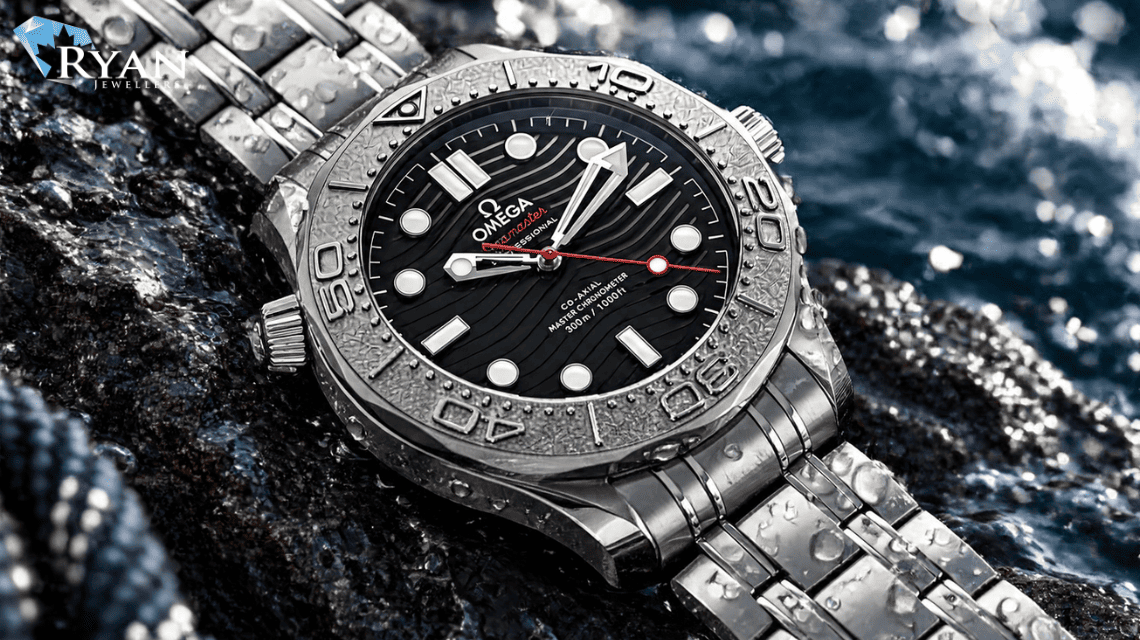
Dive watches are designed around underwater use and typically feature strong water resistance and a rotating bezel for measuring elapsed time.
Common characteristics include:
- High water resistance
- Rotating timing bezel
- Strong lume
- Legible markers
- Robust cases
- Secure bracelets or straps
Not every watch with a rotating bezel is necessarily designed as a professional diving instrument, so specifications should always be checked.
Sports Watches
Sports watches are generally designed for active or casual use.
They may emphasize:
- Durability
- Legibility
- Water resistance
- Robust cases
- Flexible straps or bracelets
The category is broad and can include chronographs, field watches, diving watches, and other performance-oriented designs.
Field Watches
Field watches traditionally emphasize simplicity and readability.
They often feature:
- Highly legible numerals
- Simple dials
- Durable cases
- Practical dimensions
Their understated appearance makes them versatile for everyday wear.
Pilot and Aviation Watches
Pilot watches are generally designed around clear legibility and aviation-related functionality.
Depending on the model, features may include:
- Large numerals
- High-contrast dials
- GMT or dual-time displays
- Chronographs
- Large crowns
Modern aviation watches vary significantly in design.
Chronograph Watches
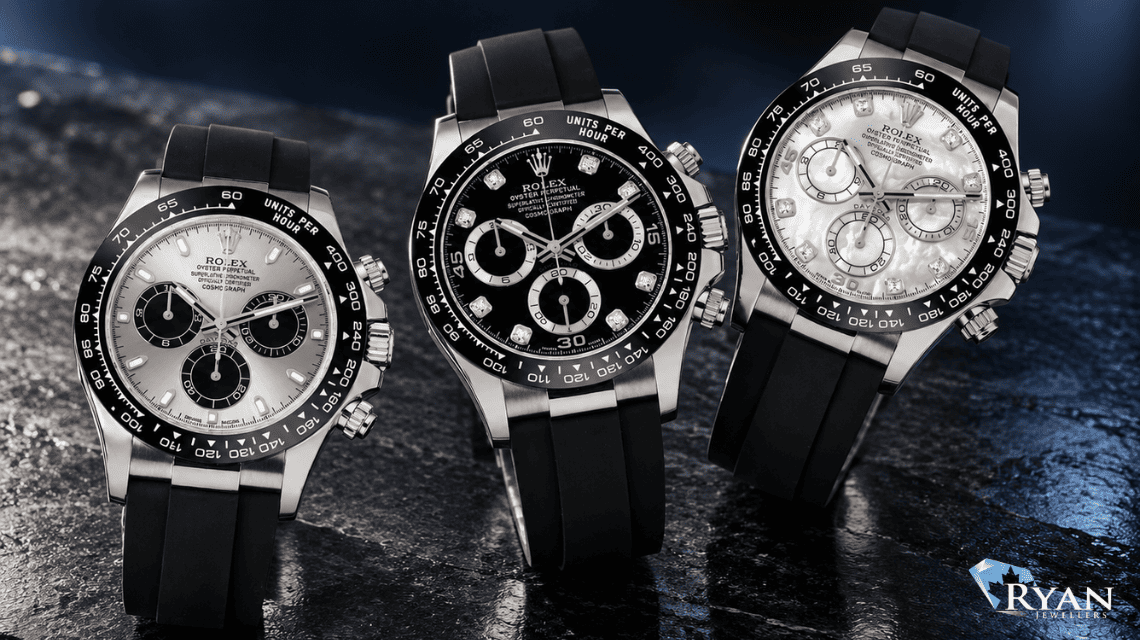
A chronograph incorporates a stopwatch function into the watch.
A typical chronograph allows the wearer to:
- Start timing
- Stop timing
- Reset the timer
Elapsed time may be displayed through subdials or a central seconds hand.
Chronographs can be practical, but they are also popular because of their distinctive mechanical and visual character.
GMT and Travel Watches
GMT watches are designed to display an additional time zone.
They can be particularly useful for:
- International travellers
- Frequent business travellers
- People with family overseas
- Collectors interested in travel complications
The exact way the second time zone is displayed varies between movements.
Luxury Watches
Luxury watches are not defined by one specific movement or style.
A luxury watch may be:
- Dress
- Sports
- Dive
- GMT
- Chronograph
- Complicated
- Minimalist
Luxury is more closely associated with factors such as craftsmanship, materials, finishing, movement construction, brand positioning, and exclusivity.
How Do Watch Materials, Displays, and Complications Differ?
The movement is only one part of a watch. Materials, displays, and complications can significantly change how a timepiece looks and functions.
Stainless Steel
Stainless steel is widely used because it offers a practical combination of durability, corrosion resistance, and versatility.
It can be:
- Polished
- Brushed
- Satin-finished
- Combined with multiple surface treatments
It is suitable for everything from everyday watches to high-end luxury models.
Titanium
Titanium is lighter than stainless steel.
It can therefore be useful for larger watches where reducing wrist weight is desirable.
Titanium is often associated with sports and technical watches, although it is also used in luxury models.
Gold
Gold provides a traditional precious-metal appearance.
Common gold alloys include:
- Yellow gold
- White gold
- Rose gold
Gold is relatively soft compared with many watchmaking materials, so it can develop scratches through normal wear.
Platinum
Platinum is a dense precious metal that can give a watch considerable weight.
It is commonly associated with high-end luxury watchmaking and has a naturally white appearance.
Ceramic
Ceramic is frequently used for bezels and, in some watches, cases.
It can provide excellent resistance to surface scratching, although ceramic can respond differently to severe impacts than metals.
Sapphire Crystal
Sapphire crystal is highly scratch-resistant and widely used in higher-end watches.
It helps protect the dial while maintaining clarity.
However, sapphire is not completely immune to damage and can chip or fracture under a sufficiently strong impact.
Analog Displays
Analog watches use traditional hands to indicate time.
They remain popular across virtually every major watch category.
Digital Displays
Digital watches display time electronically using numerals or other electronic indicators.
They can accommodate additional information efficiently, particularly on multifunction watches and smartwatches.
Date Displays
A date display is one of the most common watch complications.
It can appear as:
- Date window
- Pointer date
- Subdial
- Large date
Moon-Phase Displays
A moon-phase complication represents the current phase of the moon.
It is primarily a traditional horological complication rather than an essential everyday function.
Perpetual Calendars
A perpetual calendar is a sophisticated mechanical calendar system designed to account for differences in month lengths and leap years.
It is considerably more complex than a simple date display.
Power Reserve
A power-reserve indicator shows how much stored energy remains in a mechanical movement.
This can be particularly useful for manual-winding watches.
Which Type of Watch Is Best for Different Lifestyles?
The best watch depends heavily on how and where you plan to wear it.
For Everyday Wear
Look for:
- Comfortable case size
- Reliable movement
- Versatile design
- Durable materials
- Appropriate water resistance
A stainless-steel automatic or quartz watch can be a practical choice.
For Business
A dress or understated luxury watch can work particularly well.
Consider:
- Moderate proportions
- Clean dial
- Leather or refined metal bracelet
- Simple complications
For Formal Events
A slim dress watch can complement formal clothing without becoming the centre of attention.
Gold, platinum, or polished stainless steel can all work depending on the overall design.
For Travel
A GMT or dual-time watch can be particularly useful.
Other considerations include:
- Durability
- Legibility
- Comfortable bracelet
- Water resistance
- Reliable movement
For Outdoor Activities
Consider a sports, field, or purpose-built outdoor watch.
Important features may include:
- Durability
- Water resistance
- Strong lume
- Shock resistance
- Lightweight materials
Titanium can be particularly attractive when minimizing weight is important.
For Diving
A properly specified dive watch can be suitable for underwater use.
Look for:
- Appropriate water-resistance rating
- Rotating timing bezel
- Legible markers
- Secure strap or bracelet
- Screw-down crown where applicable
Always follow the manufacturer’s specifications and limitations.
For Collectors
Collectors may focus more heavily on:
- Movement architecture
- Complications
- Finishing
- Rarity
- Heritage
- Limited production
- Historical importance
Practical functionality may be less important than craftsmanship and horological significance.
For People Who Prefer Low Maintenance
Quartz can be an excellent choice.
It generally avoids the regular winding and mechanical servicing associated with traditional mechanical movements.
For Mechanical Watch Enthusiasts
Automatic and manual-winding watches offer a more traditional horological experience.
The movement itself becomes part of the appeal.
How Should You Choose Between Different Types of Watches?
If you are unsure where to begin, narrow your options in this order.
1. Decide How You Will Wear It
Ask yourself:
- Every day?
- At work?
- At formal events?
- While travelling?
- Outdoors?
- During sports?
Your lifestyle immediately eliminates many unsuitable options.
2. Choose Your Movement
Decide whether you prefer:
Quartz → accuracy and convenience
Automatic → self-winding mechanical experience
Manual → direct interaction with the movement
Digital/smart → electronic functionality
3. Choose Your Style
Then consider whether you prefer:
- Dress
- Sports
- Dive
- Field
- Pilot
- Chronograph
- GMT
- Luxury
4. Check the Size
Consider:
- Case diameter
- Lug-to-lug length
- Thickness
- Weight
The correct size depends on both your wrist and personal preference.
5. Compare Materials
Think about:
- Stainless steel
- Titanium
- Gold
- Platinum
- Ceramic
Also consider whether you prefer leather, metal, rubber, or synthetic straps.
6. Evaluate Features
Only pay for complications that you genuinely value.
A GMT can be useful for travellers, while a chronograph may be ideal for someone who enjoys timing functions.
More complications do not automatically mean a better watch.
Types of Watches: A Quick Comparison
| Watch Type | Main Strength | Best Suited For |
|---|---|---|
| Quartz | Accuracy and convenience | Everyday wear |
| Automatic | Mechanical convenience | Enthusiasts |
| Manual-winding | Traditional interaction | Watch collectors |
| Dress | Elegant proportions | Formal and business wear |
| Dive | Water-focused construction | Diving and sports |
| Sports | Durability and versatility | Active lifestyles |
| Field | Simplicity and legibility | Everyday and outdoor use |
| Pilot | Legibility and aviation-inspired functions | Travel and enthusiasts |
| Chronograph | Stopwatch functionality | Timing and sports |
| GMT | Multiple time zones | Travellers |
| Digital | Practical electronic functions | Everyday and active use |
| Smartwatch | Connectivity and digital features | Technology-focused users |
These categories can overlap. A single watch may be both a luxury watch and a GMT, or a sports watch and a chronograph.
If you want a more detailed overview before making a purchase, read our Watch Buying Guide for practical advice on movements, sizing, materials, features, and budget.
FAQ About Types of Watches
What are the main types of watches?
The main categories include quartz, automatic, manual-winding, digital, smart, dress, sports, dive, field, pilot, chronograph, GMT, and luxury watches. These categories can overlap because watches can be classified by both movement and style.
What is the difference between automatic and mechanical watches?
Automatic watches are a type of mechanical watch. The difference is that automatic movements use a rotor to wind the mainspring through wrist movement, while manual mechanical watches must be wound by the wearer.
Are quartz watches better than automatic watches?
Neither is universally better. Quartz generally offers excellent accuracy and convenience, while automatic watches provide traditional mechanical craftsmanship and a different ownership experience.
What type of watch is best for everyday wear?
A versatile quartz or automatic watch with a comfortable case, durable materials, and appropriate water resistance can work well for everyday use. The best choice depends on your lifestyle and preferences.
What type of watch is best for travel?
A GMT or dual-time watch can be particularly useful for travellers because it allows the wearer to track an additional time zone. Durability, comfort, and legibility are also important.
What type of watch is best for a formal occasion?
A dress watch with a relatively slim profile, clean dial, and refined materials is a traditional choice. However, a simple luxury watch can also work well depending on the outfit and occasion.
Final Thoughts
Understanding the different types of watches makes it easier to choose a timepiece based on how you actually plan to use it.
Start with the movement. Quartz prioritizes accuracy and convenience, while automatic and manual-winding movements offer the mechanical experience that attracts many watch enthusiasts. From there, consider the style, whether that means a dress watch for formal occasions, a sports or dive watch for active use, a GMT for travel, or a chronograph for timing functions.
Materials also influence the ownership experience. Stainless steel offers versatility, titanium reduces weight, gold and platinum provide a precious-metal aesthetic, and ceramic can offer strong resistance to surface scratching. The crystal, bracelet, strap, and case construction should also be considered alongside the movement.
There is no single “best” type of watch. The right choice is the one that fits your wrist, lifestyle, budget, and personal taste.
For Canadian buyers, taking the time to compare specifications and understand exactly what each watch offers can make the purchasing decision much easier.
If you’re ready to explore different watch styles and find a timepiece that suits your lifestyle, visit Ryan Jeweller to discover watches and fine jewelry for a range of occasions.