
Summarize the article with:


Fine jewelry is designed to be enjoyed for years, but regular wear can expose it to moisture, chemicals, friction, and everyday buildup. Over time, even high-quality diamonds, gold, platinum, and gemstones can lose their shine or develop signs of wear if they are not cared for properly.
A good Jewelry Care Guide should therefore cover more than cleaning. Proper care also involves storage, daily habits, routine inspections, and knowing when professional service is necessary. This is especially important for engagement rings, wedding bands, diamond jewelry, and pieces worn every day.
Whether you own a new piece or want to take better care of an existing collection, understanding the basics can help protect both its appearance and condition. If you’re looking for fine jewelry designed for everyday and special occasions, explore the collection at Ryan Jeweller, then use the tips below to build a practical jewelry-care routine.
Why Proper Jewelry Care Matters
Jewelry can be durable, but durability does not mean it is completely resistant to damage. Different metals, gemstones, and settings respond differently to everyday conditions.
Protecting the Appearance of Your Jewelry
Skin oils, lotions, soap, dust, and other residues can accumulate on jewelry. As a result, diamonds may appear less brilliant, while polished metals can lose some of their shine.
Regular gentle cleaning can help remove this buildup and maintain the original appearance of the piece.
However, cleaning should always be appropriate for the materials involved. Some gemstones are more sensitive to heat, chemicals, sudden temperature changes, or ultrasonic cleaning than others.
Reducing Everyday Wear
Jewelry can experience friction whenever it comes into contact with clothing, other jewelry, furniture, or hard surfaces.
Over time, this may contribute to:
- Scratches
- Dents
- Worn finishes
- Loose settings
- Damaged clasps
- Bent components
For this reason, jewelry care should include both cleaning and prevention.
Protecting Diamonds and Gemstones
Diamonds are extremely hard, but hardness does not make them impossible to damage. A diamond can still chip if it receives a sufficiently strong impact, particularly around vulnerable edges or points.
Other gemstones may be considerably softer or more sensitive.
Therefore, avoid treating every gemstone as if it requires the same care routine.
Preserving Jewelry for Long-Term Wear
Good maintenance can help identify small problems before they become more serious.
For example, a professional inspection may reveal a loose prong before a stone becomes lost.
This is particularly useful for engagement rings and other pieces worn frequently.
If you want more detailed guidance on keeping your pieces clean and well-maintained, explore our How to Clean Jewelry Guide for practical tips on cleaning and caring for fine jewelry.
How to Clean and Store Different Types of Jewelry
Different materials require different approaches. When you are unsure about a particular gemstone or finish, follow the care instructions provided by the jeweller or manufacturer.
Cleaning Gold Jewelry
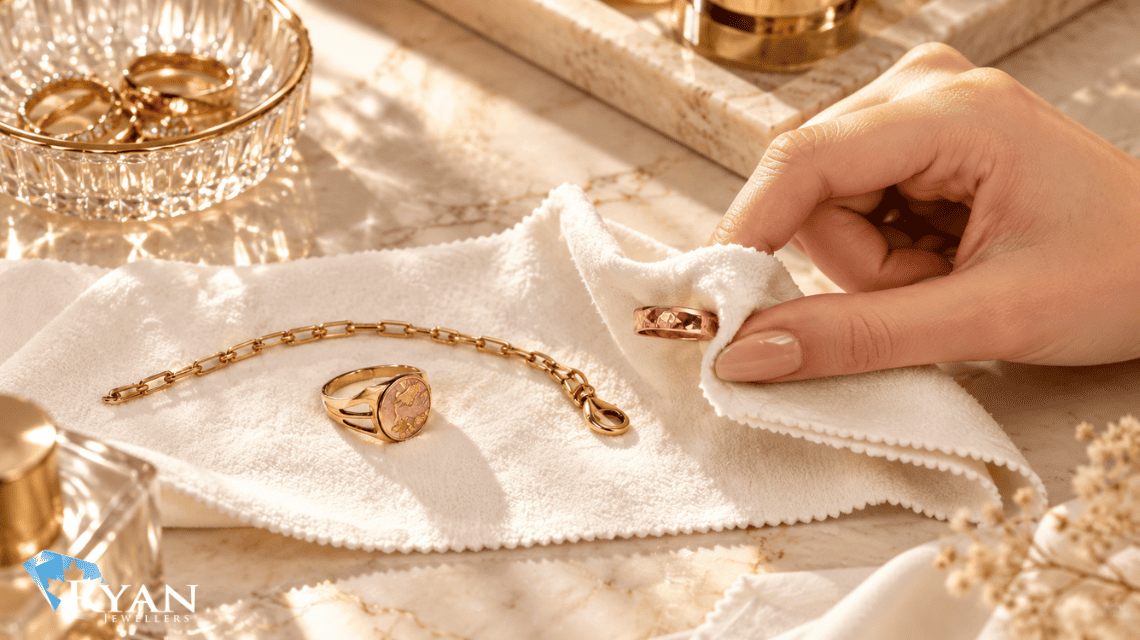
For many solid gold jewelry pieces, gentle cleaning with lukewarm water, mild dish soap, and a soft brush can help remove everyday residue.
A practical approach is:
- Mix a small amount of mild soap with lukewarm water.
- Soak the jewelry briefly if appropriate.
- Gently brush hard-to-reach areas with a soft-bristled brush.
- Rinse thoroughly.
- Pat dry with a soft, lint-free cloth.
Avoid abrasive cleaners and harsh scrubbing, as these can affect polished surfaces.
Cleaning White Gold Jewelry
White gold is commonly finished with rhodium plating to create a bright white appearance.
With regular wear, this surface layer can gradually become thinner.
Consequently, white gold may eventually require professional refinishing or replating depending on the piece and how frequently it is worn.
Avoid aggressive polishing that could unnecessarily wear the surface.
Cleaning Platinum Jewelry
Platinum is a durable precious metal, but it can still develop surface scratches through normal wear.
Gentle cleaning with mild soap and a soft brush is generally suitable for many platinum pieces.
Unlike plated metals, platinum does not lose a separate plating layer. However, its surface can develop a characteristic patina over time.
Cleaning Diamond Jewelry
Diamonds can accumulate oils and residue, which can reduce their apparent brilliance.
For many diamond jewelry pieces, mild soap, lukewarm water, and a soft brush are suitable for routine cleaning.
Pay particular attention to the area underneath the stone, where buildup can collect.
After cleaning, rinse carefully and dry the piece thoroughly.
Be Careful With Gemstones
Not every gemstone should be cleaned in the same way.
Some gemstones can be sensitive to:
- Heat
- Sudden temperature changes
- Chemicals
- Prolonged soaking
- Ultrasonic cleaning
For jewelry containing pearls, opals, emeralds, or other sensitive materials, check the recommended care method before cleaning.
How to Store Jewelry
Proper storage helps reduce scratches, tangling, and unnecessary exposure.
Consider:
- Keeping pieces in separate compartments
- Using soft-lined jewelry boxes
- Storing necklaces individually
- Keeping delicate chains untangled
- Placing gemstones away from harder materials
- Keeping jewelry away from excessive humidity
Diamonds can scratch other jewelry materials, so storing diamond pieces separately from softer gemstones is particularly useful.
For more detailed diamond care tips, explore our How to Clean Diamonds Guide to learn how to safely clean and maintain your diamonds while preserving their brilliance.
Daily Habits That Help Protect Your Jewelry
Small changes in your routine can significantly reduce unnecessary wear.
Remove Jewelry During Certain Activities
Consider removing jewelry before:
- Showering
- Swimming
- Exercising
- Cleaning
- Gardening
- Heavy manual work
Chlorine and other chemicals can affect certain metals and gemstones. Furthermore, physical activities can increase the risk of impact or snagging.
Put Jewelry on Last
When getting ready, apply skincare products, perfume, hairspray, and cosmetics before putting on your jewelry.
This reduces direct exposure to substances that can accumulate on jewelry surfaces.
Take Jewelry Off Before Sleeping
Sleeping with jewelry can place unnecessary pressure on chains, clasps, prongs, and delicate settings.
For everyday pieces, removing them before bed can help reduce mechanical wear.
Handle Rings Carefully
Rings are exposed to frequent contact with surfaces throughout the day.
Avoid using a gemstone as a tool to open, scrape, pull, or lift objects.
For engagement rings, pay particular attention to the setting because repeated impacts can affect prongs over time.
Keep Jewelry Away From Chemicals
Household chemicals, cleaning products, chlorine, and certain cosmetic products can affect jewelry.
Therefore, remove jewelry before using strong cleaning products or entering a chlorinated pool.
Check Your Jewelry Regularly
Take a few seconds to inspect frequently worn pieces.
Look for:
- Loose stones
- Bent prongs
- Damaged clasps
- Broken links
- Scratches
- Deformation
- Unusual movement
If something appears different from when you purchased the piece, stop wearing it until it can be checked.
Common Mistakes That Can Damage Jewelry
Some jewelry-care mistakes are surprisingly common.
Using Harsh Household Cleaners
Bleach, strong chemicals, abrasive powders, and other household cleaners are not appropriate for every type of jewelry.
They can affect metals, gemstones, finishes, or settings.
A gentle jewelry-specific approach is generally safer.
Brushing Too Aggressively
A soft brush can help reach difficult areas, but excessive pressure may damage delicate components.
Use gentle movements rather than aggressive scrubbing.
Cleaning Every Gemstone the Same Way
This is one of the most important mistakes to avoid.
A cleaning method that works for a diamond may not be appropriate for an emerald, pearl, opal, or another gemstone.
Always consider the specific material.
Wearing Jewelry in the Pool
Chlorinated water can interact with certain metals and may contribute to damage over time.
It can also create additional risk because jewelry can become difficult to recover if it slips off underwater.
Keeping Jewelry Loose in a Drawer
Throwing multiple pieces into the same drawer can cause chains to tangle and surfaces to scratch against each other.
Separate storage is a simple way to reduce this problem.
Ignoring Loose Stones
A loose diamond or gemstone should not be treated as a minor cosmetic issue.
Continuing to wear a piece with a loose stone can increase the possibility of losing it.
Have the setting inspected as soon as possible.
Polishing Too Frequently
Polishing removes a small amount of surface material.
While professional polishing can restore the appearance of jewelry, unnecessary or excessive polishing is not ideal for every piece.
Maintenance should be appropriate for the metal and finish.
If you’re looking for inspiration for a clean, understated look, explore our Minimalist Men’s Jewelry Style Guide for practical tips on choosing simple, modern pieces that complement your everyday style.
When Your Jewelry Needs Professional Care
Home maintenance is useful, but it cannot replace professional inspection when jewelry shows signs of damage or wear.
Loose or Moving Stones
If a diamond or gemstone moves when you gently touch it, stop wearing the jewelry and have it inspected.
The setting may need adjustment before the piece can safely be worn again.
Damaged Prongs
Prongs hold many gemstones in place.
If one appears bent, worn, or broken, professional repair may be necessary.
Do not attempt to bend a prong back yourself.
Broken Chains or Clasps
A damaged chain or clasp can cause the jewelry to fall off unexpectedly.
Professional repair can restore the connection and help prevent further damage.
Ring Resizing
Finger size can change over time due to temperature, weight fluctuations, or other factors.
If a ring is consistently too tight or too loose, consult a professional rather than attempting an at-home adjustment.
Professional Cleaning
Professional cleaning can remove buildup that is difficult to reach at home.
A jeweller can also inspect the jewelry while cleaning it, potentially identifying problems that are not immediately visible.
Periodic Inspections
For frequently worn jewelry, periodic professional inspections can be helpful.
The inspection can focus on:
- Stone security
- Prongs
- Clasps
- Chains
- Settings
- Structural condition
For engagement rings and wedding jewelry, regular inspection can be particularly useful because these pieces are often worn continuously.
Jewelry Care by Material
A simple reference can help you choose the appropriate care approach.
| Jewelry Type | Everyday Care | Key Consideration |
|---|---|---|
| Gold | Gentle cleaning and soft storage | Avoid harsh chemicals and unnecessary abrasion |
| White gold | Gentle cleaning | Rhodium finish may require professional maintenance |
| Platinum | Gentle cleaning | Surface scratches and patina are normal with wear |
| Diamond | Mild soap and soft brush | Protect the setting and avoid hard impacts |
| Pearl | Soft cloth after wear | Avoid chemicals, prolonged soaking, and excessive moisture |
| Opal | Gentle, material-specific care | Avoid heat and sudden temperature changes |
| Emerald | Gentle cleaning | Avoid assuming ultrasonic or steam cleaning is safe |
| Silver | Gentle cleaning and proper storage | Tarnishing can occur with exposure to air and moisture |
This table provides general guidance rather than a universal cleaning method. Gemstone treatments, settings, coatings, and individual jewelry construction can change the appropriate care routine.
If you want a simple way to keep your gold pieces looking polished and beautiful, explore our How to Clean Gold Jewelry at Home Guide for safe, practical cleaning and care tips.
Building a Simple Jewelry Care Routine
You do not need an elaborate system to maintain your jewelry.
After Wearing
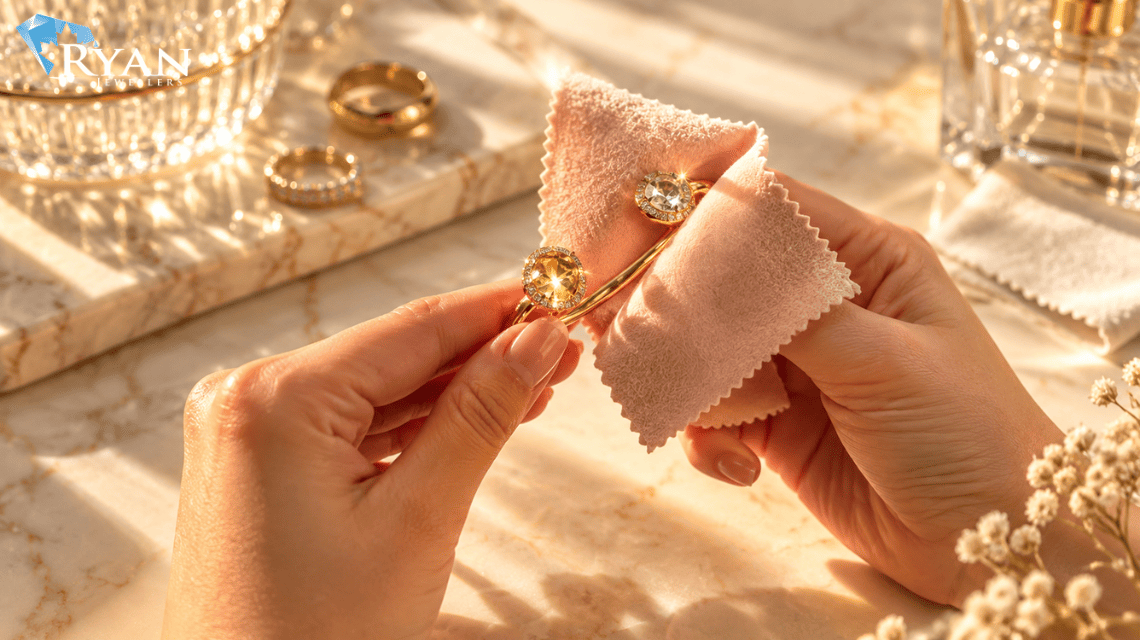
Wipe frequently worn pieces gently with a clean, soft cloth to remove surface oils and residue.
Weekly
Inspect regularly worn jewelry for:
- Loose stones
- Damaged clasps
- Dirt buildup
- Changes in appearance
Clean appropriate pieces using a suitable gentle method.
Monthly
Review pieces that are not worn frequently.
Check for tarnishing, tangling, loose components, or signs of damage.
Periodically
Arrange professional cleaning and inspection for important or frequently worn pieces when appropriate.
For engagement rings and wedding bands, professional inspection can be especially useful because these pieces often experience continuous wear.
FAQ About Jewelry Care
How often should I clean my jewelry?
The ideal frequency depends on how often the piece is worn and what materials it contains. Frequently worn jewelry may benefit from gentle routine cleaning, while professional cleaning can be performed periodically when needed.
Can I clean all jewelry with soap and water?
No. Mild soap and water are suitable for many types of jewelry, but some gemstones and treatments require specialized care. Always check the material before cleaning.
Can I wear jewelry in the shower?
It is generally better to remove jewelry before showering. Soap and residue can accumulate, while prolonged moisture may affect certain materials or finishes.
Can I wear my engagement ring while swimming?
Removing an engagement ring before swimming is advisable. Chlorinated water can affect some jewelry materials, and there is also a practical risk of losing the ring.
Can I use toothpaste to clean jewelry?
It is better to avoid toothpaste. Many toothpastes contain abrasive ingredients that can scratch or wear certain jewelry surfaces.
How should I store diamond jewelry?
Store diamond jewelry separately from other pieces whenever possible. Diamonds are extremely hard and can scratch other jewelry or gemstones.
How should I store necklaces?
Keep necklaces individually separated and secured to reduce tangling. A jewelry box with separate compartments or dedicated necklace storage can be useful.
Why does my white gold jewelry look less white?
White gold is commonly finished with rhodium plating. With regular wear, the plating can gradually wear down, revealing the underlying gold alloy. Professional refinishing may restore the bright white appearance.
How do I know if my diamond setting is loose?
If the stone visibly moves or produces unusual movement when gently touched, it may require inspection. Do not continue wearing the piece until a professional has assessed the setting.
Should I clean jewelry before storing it?
Yes. Cleaning appropriate jewelry before long-term storage can help prevent oils, dirt, and other residue from remaining on the surface.
Can professional cleaning damage jewelry?
Professional cleaning is generally performed according to the materials and construction of the piece. However, not every jewelry item should undergo the same cleaning process, so a professional should assess delicate or unusual pieces first.
How often should I have my engagement ring inspected?
The appropriate frequency depends on wear and the ring’s construction. Regular professional inspection is useful for checking prongs, settings, and stone security, particularly for rings worn every day.
What should I do if a gemstone becomes loose?
Stop wearing the jewelry and have it inspected by a qualified jeweller as soon as possible. Continuing to wear it may increase the risk of losing the stone.
Final Thoughts
Taking care of fine jewelry is ultimately about consistency. Gentle cleaning, proper storage, careful daily habits, and timely professional maintenance can help preserve the appearance and condition of your favorite pieces.
Remember that different materials require different care. Diamonds, gold, platinum, pearls, opals, emeralds, and other gemstones should not automatically be treated with the same cleaning products or techniques.
Most importantly, pay attention to signs of structural wear. A loose stone, damaged prong, broken clasp, or bent component should be addressed before the jewelry is worn again.
Whether you’re caring for an engagement ring, wedding band, diamond earrings, gold necklace, or everyday bracelet, a simple maintenance routine can help you enjoy your jewelry for years to come.
Ready to explore fine jewelry for everyday wear or a special occasion? Visit Ryan Jeweller to discover diamond jewelry, gold pieces, engagement rings, wedding jewelry, and more.v
This is such a useful guide for anyone who wears fine jewelry regularly. I especially liked the reminder to remove jewelry before showering, swimming, or exercising because those are habits I honestly never thought much about. Do you think weekly inspections are enough for an engagement ring that is worn every day?
I really appreciate how this guide explains that different gemstones need different cleaning methods. The section about pearls, opals, and emeralds was especially helpful since I used to assume that mild soap and water were safe for everything. Are there any other gemstones that require extra care that you would recommend learning about?
This guide gave me a few simple habits I can actually follow, especially keeping diamond jewelry separate and checking for loose stones or damaged prongs. I also found the advice about avoiding toothpaste interesting because I’ve heard that tip many times before. Is professional cleaning recommended mainly for appearance, or can it also help catch small issues before they become expensive repairs?