
Summarize the article with:


Diamonds have long been associated with luxury, rarity, and significant life moments. From engagement rings to high-end jewelry collections, diamonds are often viewed as valuable possessions that can be enjoyed for years.
However, many buyers ask an important question before making a purchase: Is investing in diamonds worth it?
The answer depends on what you mean by “investment.” Diamonds can hold personal, emotional, and material value, but they should not automatically be considered the same as traditional financial assets such as stocks, bonds, or real estate.
For Canadian buyers, understanding diamond pricing, rarity, market demand, resale considerations, and the differences between natural and lab-grown diamonds is essential before deciding whether diamonds align with your goals.
At Ryan Jewellers, we help customers explore diamond jewelry, engagement rings, and fine jewelry while understanding the factors that influence quality and value. Explore our collections to find a diamond piece that matches your style and purpose.
Can Diamonds Be Considered an Investment?
The term “investment diamond” is often used differently depending on the context.
Some buyers consider diamonds an investment because they are:
- Rare natural materials
- Durable and long-lasting
- Portable compared with many other assets
- Associated with luxury and craftsmanship
However, diamonds are primarily purchased as luxury goods and personal jewelry rather than traditional investment assets.
Diamonds vs Traditional Investments
Unlike publicly traded investments, diamonds do not have:
- A universal daily market price for every stone
- Easy liquidity
- Guaranteed appreciation
- Standardized resale pricing
The value of a diamond depends on many individual characteristics, including:
- Cut quality
- Colour
- Clarity
- Carat weight
- Shape
- Certification
- Market demand
Two diamonds with similar carat weights can have significantly different values because their quality characteristics differ.
Why Some Buyers Consider Diamonds Valuable
Diamonds can still provide several forms of value:
Long-Term Ownership
A well-maintained diamond can last for generations. Many diamonds are passed down as family heirlooms because of their durability and emotional significance.
Personal Meaning
For engagement rings, wedding jewelry, and milestone gifts, the value often comes from the memories associated with the piece.
Luxury Appeal
Certain rare diamonds and exceptional gemstones can attract interest among collectors and luxury buyers because of their rarity and uniqueness.
However, these factors do not guarantee that every diamond will increase in financial value.
To better understand different diamond options, explore our guide on Lab-Grown vs Natural Diamonds: Which One Is Worth It? to compare origin, value, and buying considerations.
What Factors Affect Diamond Value?
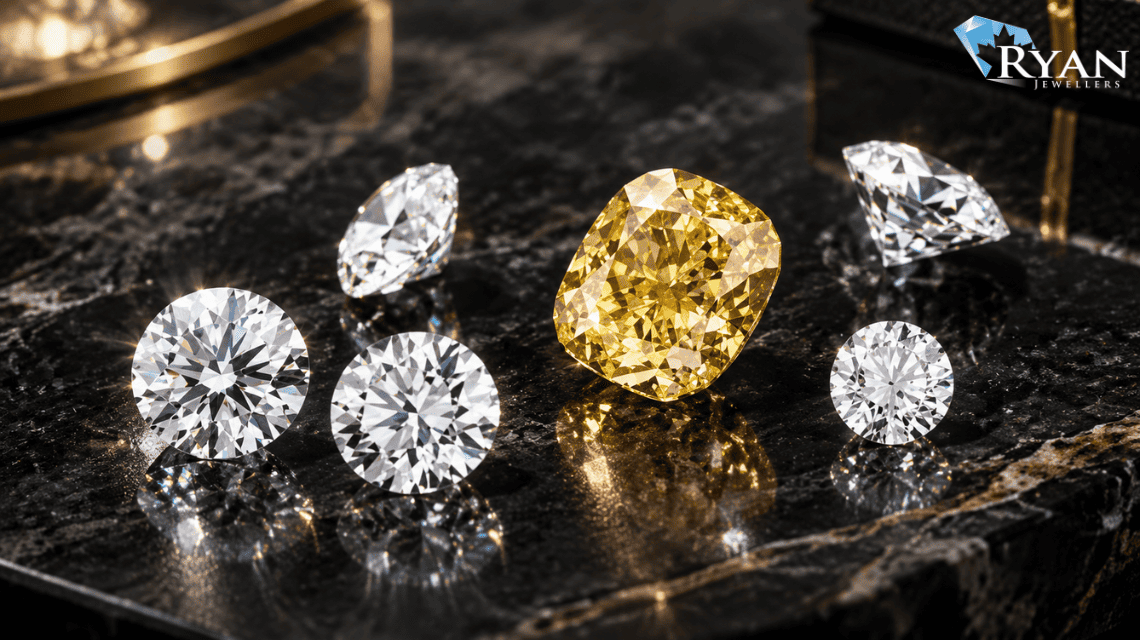
Diamond value is influenced by a combination of quality characteristics, market conditions, and rarity.
The 4Cs of Diamond Quality
The most recognized way to evaluate diamonds is through the 4Cs:
- Cut
- Colour
- Clarity
- Carat weight
These characteristics help determine a diamond’s appearance and market value.
Diamond Cut
Cut is one of the most important factors affecting visual beauty.
A well-cut diamond can display:
- Brightness
- Fire
- Sparkle
- Light reflection
A diamond with a higher carat weight does not always appear more impressive if the cut quality is poor.
Diamond Colour
Colour describes the presence of colour in a diamond.
Many buyers compare diamonds in the colourless and near-colourless ranges because they often provide a bright appearance.
However, colour preference depends on:
- Diamond shape
- Setting colour
- Personal taste
- Budget
Diamond Clarity
Clarity refers to internal characteristics and surface features.
Higher clarity grades generally indicate fewer visible characteristics, but many diamonds with lower clarity grades can still appear clean when viewed normally.
Carat Weight
Carat refers to diamond weight.
While larger diamonds are often more expensive, size alone does not determine value.
Other factors must also be considered, including:
- Cut quality
- Shape
- Colour
- Clarity
- Rarity
Natural Diamond Rarity and Market Value
Natural diamonds have historically been valued because they form through geological processes over extremely long periods.
Their rarity depends on several factors, including:
- Geological formation
- Availability
- Size
- Quality characteristics
- Demand
Rare Diamonds
Some diamonds command exceptional prices because of unique characteristics such as:
- Extremely large size
- Exceptional colour
- Historical significance
- Unusual rarity
Examples include fancy-colour diamonds such as:
- Pink diamonds
- Blue diamonds
- Red diamonds
These diamonds represent a very small segment of the market.
Everyday Diamond Jewelry
Most consumers purchase diamonds for:
- Engagement rings
- Wedding bands
- Earrings
- Necklaces
- Bracelets
For these buyers, value is usually focused on:
- Appearance
- Quality
- Design
- Wearability
- Personal meaning
A typical diamond engagement ring should generally be viewed as a meaningful jewelry purchase rather than a guaranteed appreciating asset.
Rare Diamonds vs Everyday Diamond Jewelry
Not all diamonds are purchased for the same reason.
Understanding the difference between rare collectible diamonds and everyday jewelry can help set realistic expectations.
| Category | Rare Investment-Grade Diamonds | Everyday Diamond Jewelry |
|---|---|---|
| Main purpose | Collecting and rarity | Personal wear and milestones |
| Buyer focus | Uniqueness and scarcity | Beauty and meaning |
| Market | Specialized collectors | General jewelry market |
| Pricing factors | Extreme rarity and demand | Quality, design, and craftsmanship |
| Resale market | Limited specialist buyers | More variable |
What Makes a Diamond “Investment Grade”?
Investment-grade diamonds generally refer to exceptionally rare stones that may attract collector interest.
Factors may include:
- Exceptional colour
- Significant size
- High quality
- Strong provenance
- Historical importance
However, not every high-quality diamond qualifies as an investment-grade stone.
Learn more about what makes certain diamonds different in our guide on Investment Grade Diamonds: Understanding Rare Diamond Value.
Why Most Diamond Jewelry Is Not Investment Grade
A diamond ring can be valuable without being an investment asset.
Most jewelry diamonds are selected based on:
- Personal style
- Budget
- Wearability
- Emotional significance
Their value comes from the complete jewelry experience rather than rarity alone.
Diamond Resale Value: What Buyers Should Know
One of the most important things buyers should understand is that retail price and resale value are different.
Why Resale Value Can Differ From Purchase Price
The original price of a diamond ring may include:
- Diamond cost
- Metal cost
- Manufacturing
- Design
- Labour
- Retail expenses
When reselling, buyers may focus primarily on:
- Current market demand
- Diamond specifications
- Condition
- Certification
- Buyer interest
As a result, a diamond purchased at retail price may not sell for the same amount later.
Factors That Influence Resale Value
Several factors can affect how easily a diamond can be resold.
Diamond Characteristics
Important details include:
- Carat weight
- Cut
- Colour
- Clarity
- Shape
- Certification
Natural vs Lab-Grown Origin
Diamond origin can also affect market perception.
Natural diamonds and lab-grown diamonds have the same basic diamond composition, but they have different origins and market dynamics.
Lab-grown diamonds are generally priced lower than comparable natural diamonds and have experienced changing market conditions as production has increased.
If you are comparing diamond options, read our guide on Are Lab Diamonds Worth It? Pros, Cons, and Value Explained to understand pricing, quality, and buying considerations.
Brand and Documentation
Documentation and purchase history can help buyers understand what they own.
Professional grading reports provide information about diamond characteristics and help create transparency during the buying process.
Natural Diamonds vs Lab-Grown Diamonds as Value Purchases
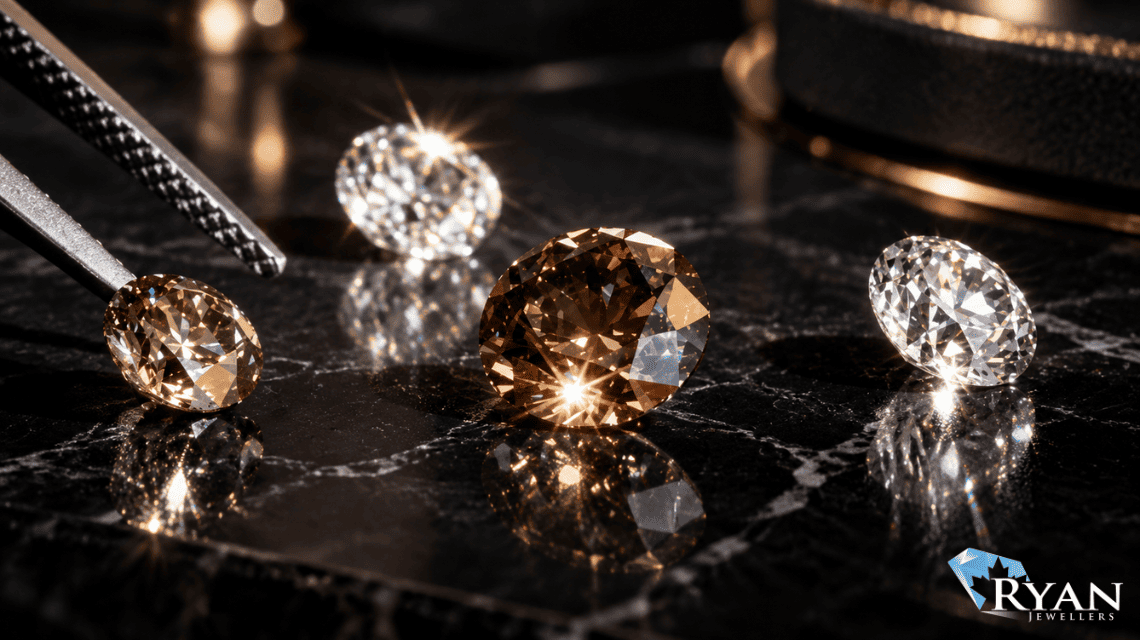
Modern buyers have more choices than ever, especially with the availability of lab-grown diamonds.
Natural Diamonds
Natural diamonds appeal to buyers who value:
- Geological origin
- Traditional diamond symbolism
- Natural rarity
Their market value is influenced by supply, demand, quality, and rarity.
Lab-Grown Diamonds
Lab-grown diamonds are created using controlled technological processes.
They have essentially the same chemical composition and crystal structure as natural diamonds, but their origin differs.
Many buyers consider lab-grown diamonds because they offer:
- Greater budget flexibility
- Larger diamond options
- Different purchasing priorities
Which Has Better Value?
There is no universal answer.
The better choice depends on what the buyer values most.
Some buyers prioritize natural rarity, while others prioritize diamond size, specifications, and budget flexibility.
The important factor is understanding what you are purchasing and choosing based on your own priorities.
Things to Consider Before Buying Diamonds as an Investment
If you are considering diamonds from a value perspective, several factors should be evaluated.
Understand Your Goal
Ask yourself:
Are you buying for:
- Personal enjoyment?
- An engagement ring?
- A family heirloom?
- Collection purposes?
- Potential resale?
Your purpose should influence your buying decision.
Research Diamond Quality
Before purchasing, understand:
- The 4Cs
- Diamond certification
- Market pricing
- Diamond origin
A diamond’s value cannot be determined by size alone.
Choose Quality Over Marketing
A larger diamond is not automatically a better diamond.
Consider:
- Cut performance
- Overall appearance
- Balance between quality factors
Consider Long-Term Care
Proper maintenance can help preserve a diamond’s condition.
This includes:
- Regular cleaning
- Professional inspections
- Secure storage
- Checking settings
Buy From a Trusted Jeweler
A knowledgeable jeweler can help explain:
- Diamond characteristics
- Certification
- Pricing factors
- Available options
Transparency is especially important when making a significant jewelry purchase.
FAQ About Diamond Investments
Are diamonds a good investment?
Diamonds can hold personal and material value, but they should not automatically be considered guaranteed financial investments. Resale value depends on many factors, including rarity, quality, demand, and market conditions.
Do diamonds increase in value over time?
Some rare diamonds may increase in value due to scarcity and collector demand. However, most diamond jewelry does not automatically appreciate after purchase.
Are engagement rings an investment?
Engagement rings are usually purchased for emotional significance and personal use rather than financial returns.
What makes a diamond valuable?
Diamond value depends on factors including:
- Cut
- Colour
- Clarity
- Carat weight
- Shape
- Certification
- Market demand
Are rare diamonds better investments?
Rare diamonds can attract specialist buyers because of their scarcity. However, they require expert knowledge and should not be confused with ordinary diamond jewelry.
Are lab-grown diamonds a good investment?
Lab-grown diamonds can provide excellent value as jewelry purchases, especially for buyers focused on size and specifications. However, they should not automatically be considered financial investments.
Should I buy a diamond for resale value?
Most buyers should focus on choosing a diamond they appreciate wearing rather than purchasing solely for resale expectations.
How do I know if a diamond is high quality?
Look at:
- Diamond grading information
- Cut quality
- Colour
- Clarity
- Carat weight
- Certification
A trusted jeweler can help explain these factors.
Final Thoughts
So, is investing in diamonds worth it?
The answer depends on your definition of value.
Diamonds can provide lasting beauty, emotional meaning, and material worth. Rare diamonds with exceptional characteristics may attract collector interest, but most diamond jewelry is purchased for personal enjoyment rather than financial investment.
For Canadian buyers, the best approach is to understand diamond quality, compare natural and lab-grown options, evaluate realistic resale expectations, and choose a piece that matches your goals.
At Ryan Jewellers, we help customers explore diamond jewelry with a focus on quality, craftsmanship, and informed decision-making. Discover our collections and find a diamond piece designed to be enjoyed for years to come.
This article provides a useful perspective on the idea of investing in diamonds. I particularly liked the reminder that factors such as quality, certification, market conditions, and liquidity all need to be considered rather than focusing only on the purchase price.
I found the discussion of diamond value particularly interesting. Understanding the difference between buying a diamond for personal enjoyment and treating it as an investment is an important distinction when evaluating the potential long-term value of a piece.
This is a helpful overview for anyone researching diamonds from a financial perspective. I appreciate the emphasis on doing proper research and considering diamond characteristics, documentation, and resale factors before making a purchase.