
Summarize the article with:


Diamonds have long been associated with luxury, rarity, and significant life moments. While many people purchase diamonds for their emotional meaning and beauty, some buyers also consider their potential to retain value over time.
However, not every diamond qualifies as an investment-grade diamond. Factors such as rarity, quality, certification, market demand, and overall desirability all influence a diamond’s long-term value.
For Canadian buyers, understanding what makes a diamond valuable can help you make a more informed decision when purchasing fine jewelry.
At Ryan Jewellers, we help customers explore high-quality diamonds and understand the characteristics that contribute to lasting beauty and value.
What Makes a Diamond Investment-Grade?
An investment-grade diamond typically refers to a diamond with exceptional quality characteristics, rarity, and strong market demand. These diamonds are usually selected based on more than size alone.
Important factors include:
- Excellent cut quality: A well-cut diamond maximizes brilliance and visual appeal.
- High color grade: Colorless diamonds are generally more rare and desirable.
- Strong clarity: Diamonds with fewer visible inclusions often have greater appeal.
- Significant carat weight: Larger diamonds can be rarer, especially in higher qualities.
- Reliable certification: Independent grading reports provide confidence about quality.
It is important to understand that diamonds are primarily purchased as luxury goods and personal assets rather than guaranteed financial investments. Market prices can fluctuate, and resale value depends on many factors.
👉 Discover our curated selection of lab-created diamond rings here: Lab-Created Diamond Rings
Factors Affecting Resale Value
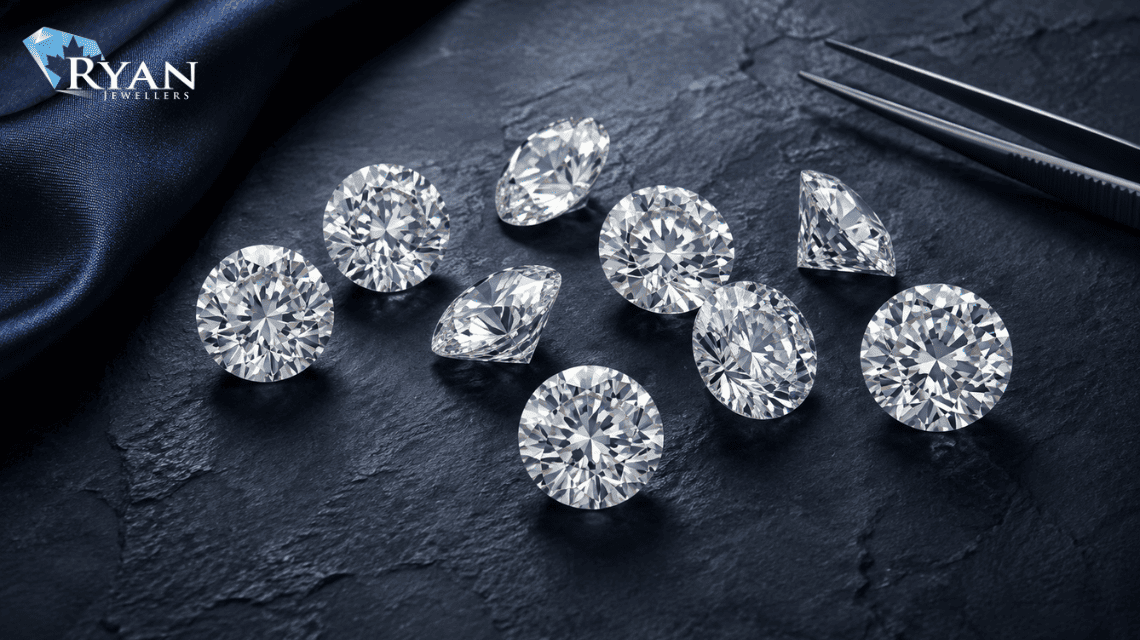
A diamond’s resale value depends on several characteristics beyond its original purchase price.
| Factor | Impact on Value |
|---|---|
| Diamond Quality | Higher-quality diamonds with strong 4Cs grades generally attract more buyer interest. |
| Certification | Reports from respected grading laboratories help verify authenticity and quality. |
| Rarity | Rare sizes, exceptional colors, and unique characteristics can increase desirability. |
| Market Demand | Popular diamond styles and consumer preferences influence resale interest. |
| Condition | Well-maintained jewelry with secure settings may retain greater appeal. |
While diamonds can hold value, buyers should avoid viewing every diamond purchase as a guaranteed financial return.
Rare Diamonds and Market Trends
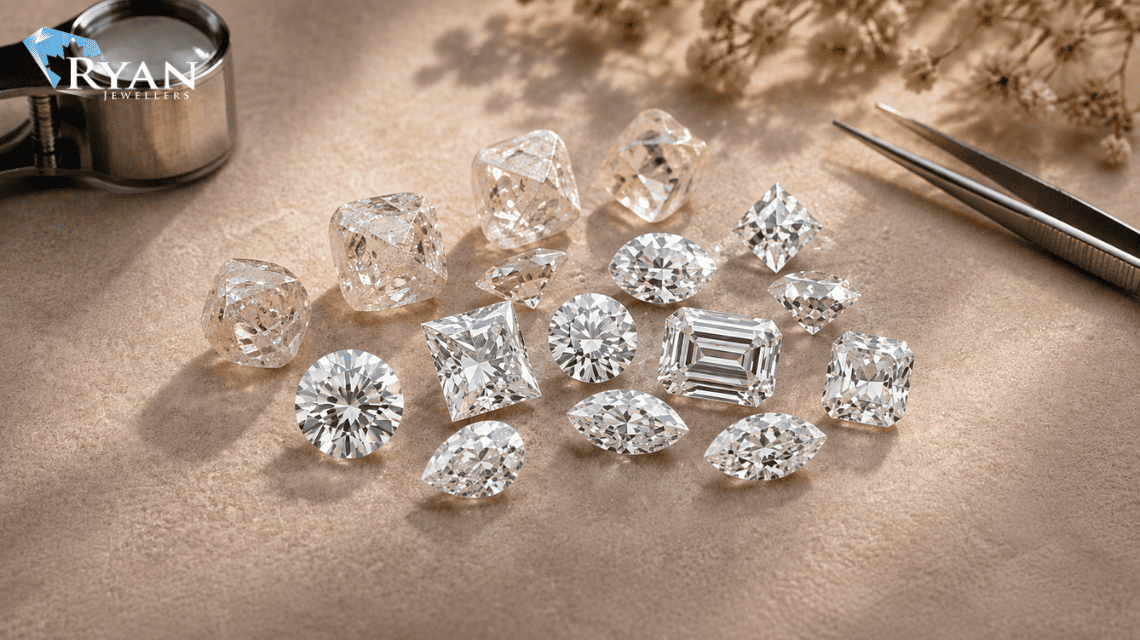
Certain diamonds are considered more desirable because of their rarity.
Examples include:
- Large carat diamonds
- Exceptional colorless diamonds
- Fancy color diamonds
- Diamonds with unique characteristics
- Historically significant stones
Market trends also influence diamond demand. For example, interest in lab-grown diamonds has increased among buyers seeking alternative options with the same physical and chemical properties as natural diamonds.
Understanding market trends can help buyers choose diamonds that align with their personal goals and preferences.
Tips for Choosing Investment Diamonds
If you are considering a diamond with long-term value in mind, focus on quality and transparency.
| Tip | Explanation |
|---|---|
| Prioritize Cut Quality | A beautiful, well-performing diamond is more desirable than one chosen only for size. |
| Choose Certified Diamonds | Certification provides verified information about diamond characteristics. |
| Focus on Rare Qualities | Exceptional color, clarity, and larger sizes may have stronger market appeal. |
| Research Before Buying | Understanding pricing helps avoid overpaying. |
| Buy From a Trusted Jeweler | Professional guidance improves confidence and transparency. |
For many buyers, the best approach is selecting a diamond that offers both personal enjoyment and strong quality characteristics.
👉 Discover our curated selection of lab-created diamond rings here: Lab-Created Diamond Rings
Risks and Considerations
Before purchasing a diamond as a potential investment, consider the following:
- Resale prices may differ from retail prices: A diamond purchased at retail may not resell for the same amount.
- Market conditions change: Demand and pricing can vary over time.
- Personal preference matters: A diamond’s emotional value may exceed its financial value.
- Certification does not guarantee appreciation: A certified diamond provides quality information but does not guarantee future price increases.
The strongest diamond purchases often combine quality, beauty, and personal significance rather than focusing only on investment potential.
👉 Explore our stunning collection of diamond earrings here: Diamond Earrings
👉 Learn more about diamond quality, grading, and buying tips in our complete guide: Diamond Education: The Ultimate Guide to Understanding Diamonds
FAQ – Investment-Grade Diamonds
Are all diamonds considered investments?
No. Most diamonds are purchased as luxury jewelry rather than traditional financial investments. Only certain rare and high-quality diamonds may have stronger value retention.
What type of diamond holds value best?
Diamonds with excellent cut quality, strong color and clarity grades, larger carat weights, and recognized certification often have greater market appeal.
Does diamond certification affect value?
Yes. Certification helps verify diamond quality and provides buyers with confidence when comparing stones.
Are lab-grown diamonds good investments?
Lab-grown diamonds offer excellent beauty and value for many buyers, but their resale market differs from natural diamonds.
Is a bigger diamond always a better investment?
Not necessarily. Quality, rarity, certification, and market demand are also important factors.
Final Thoughts
Investment-grade diamonds are defined by a combination of quality, rarity, certification, and market desirability. While diamonds can represent lasting value, buyers should approach them as luxury assets rather than guaranteed financial investments.
Choosing a diamond with excellent craftsmanship, verified quality, and personal meaning often creates the greatest long-term satisfaction.
At Ryan Jewellers, we help Canadian buyers discover exceptional diamond jewelry and make informed decisions based on quality, beauty, and value.
I appreciate how this article highlights the individuality of fancy color diamonds. The combination of colour, rarity and overall appearance makes them seem quite different from the usual diamond-buying experience. A comparison of the most popular fancy colours and their typical price ranges would be really useful.
This was a helpful read for anyone considering diamonds from a value or investment perspective. I especially appreciated the focus on factors beyond simply buying an expensive stone, since not every high-priced diamond will necessarily have the same market appeal. A follow-up on how buyers can evaluate rarity would be very useful.
Really interesting overview of investment-grade diamonds. I liked how the article explains that rarity and quality are important factors, rather than simply assuming that an expensive diamond is automatically a good investment. I’d be interested in seeing more about how market demand influences long-term value.