
Summarize the article with:


When choosing a diamond, clarity is one of the key factors that determines its appearance, rarity, and value. Understanding diamond clarity helps buyers recognize the differences between diamonds, compare quality more effectively, and select a stone that offers the right balance of beauty and budget.
For Canadian buyers, learning how clarity works is an important part of diamond education, especially when choosing engagement rings, diamond earrings, or other fine jewelry. A diamond does not always need the highest clarity grade to look stunning—understanding what matters visually can help you make a smarter purchase.
At Ryan Jewellers, we provide carefully selected diamond jewelry and expert guidance to help you understand every detail behind your diamond choice.
What Diamond Clarity Means
Diamond clarity refers to the presence of internal characteristics called inclusions and external features called blemishes. These characteristics naturally occur during the diamond formation process and are used to determine the diamond’s clarity grade.
A diamond with fewer visible inclusions generally receives a higher clarity grade because it allows more light to pass through the stone. However, clarity is only one part of diamond quality. Cut, color, and carat also play important roles in determining overall appearance and value.
Common clarity characteristics include:
- Inclusions: Internal features within the diamond, such as tiny mineral traces or internal marks
- Blemishes: Surface-level imperfections caused during cutting, polishing, or handling
- Visibility: How noticeable these characteristics are under professional magnification
Many inclusions are not visible to the naked eye, meaning a lower clarity grade can still appear beautiful when properly selected.
👉 Discover our curated selection of lab-created diamond rings here: Lab-Created Diamond Rings
Clarity Grading from Flawless to Included
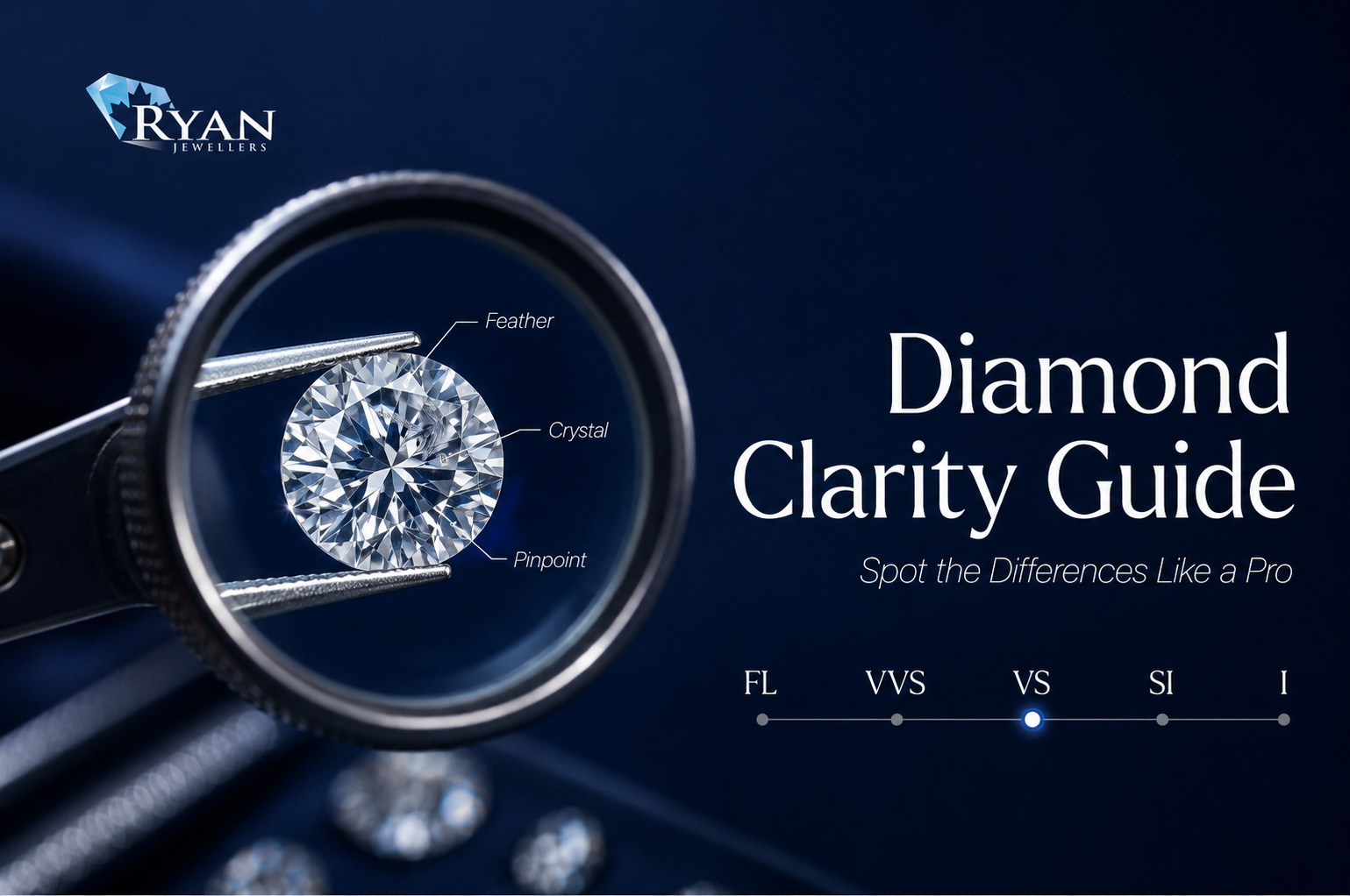
Diamond clarity is commonly graded using the GIA clarity scale, which ranges from Flawless to Included.
Flawless (FL)
Flawless diamonds have no visible inclusions or blemishes under 10x magnification. These diamonds are extremely rare and highly valued.
Internally Flawless (IF)
Internally flawless diamonds have no internal inclusions visible under magnification but may have very minor surface characteristics.
Very, Very Slightly Included (VVS1 and VVS2)
VVS diamonds contain extremely small inclusions that are difficult to detect, even for experienced graders.
Very Slightly Included (VS1 and VS2)
VS diamonds have minor inclusions that may be visible under magnification but are often not noticeable without professional equipment.
Slightly Included (SI1 and SI2)
SI diamonds contain noticeable inclusions under magnification, although many stones can still appear clean to the naked eye.
Included (I1, I2, and I3)
Included diamonds have more visible inclusions that may affect transparency and brilliance.
For many buyers, VS and SI clarity grades offer an excellent balance between appearance and value.
How Inclusions Affect Beauty and Value
Inclusions can influence both the appearance and price of a diamond. However, not all inclusions have the same impact.
Factors that affect how inclusions influence a diamond include:
- Size: Larger inclusions are generally easier to notice
- Location: Inclusions near the center of the diamond may affect appearance more
- Color: Dark inclusions are often more visible than lighter ones
- Number: Multiple inclusions may impact transparency
A diamond with excellent cut quality can often hide minor inclusions by maximizing light reflection and sparkle.
This is why two diamonds with different clarity grades may appear very similar when viewed without magnification.
👉 Discover our curated selection of lab-created diamond rings here: Lab-Created Diamond Rings
Picking the Right Clarity for Your Budget
Choosing the ideal clarity depends on your priorities, jewelry design, and budget.
For Engagement Rings
Many buyers choose VS or SI clarity because these grades often provide excellent visual quality while offering better value compared with higher clarity grades.
For Diamond Earrings
Since earrings are usually viewed from a greater distance, slightly lower clarity grades can still appear bright and beautiful.
For Minimalist Jewelry
Smaller diamonds in minimalist designs often do not require the highest clarity because the overall design focuses on subtle elegance rather than maximum size.
The goal is not always to choose the highest clarity grade—it is to choose a diamond that looks beautiful within your budget.
Clarity Tips for Different Shapes
Different diamond shapes can affect how easily inclusions are noticed.
Round Brilliant Diamonds
Round diamonds are excellent at reflecting light, which can help hide minor inclusions. Many buyers find VS or SI grades visually appealing.
Emerald and Asscher Cuts
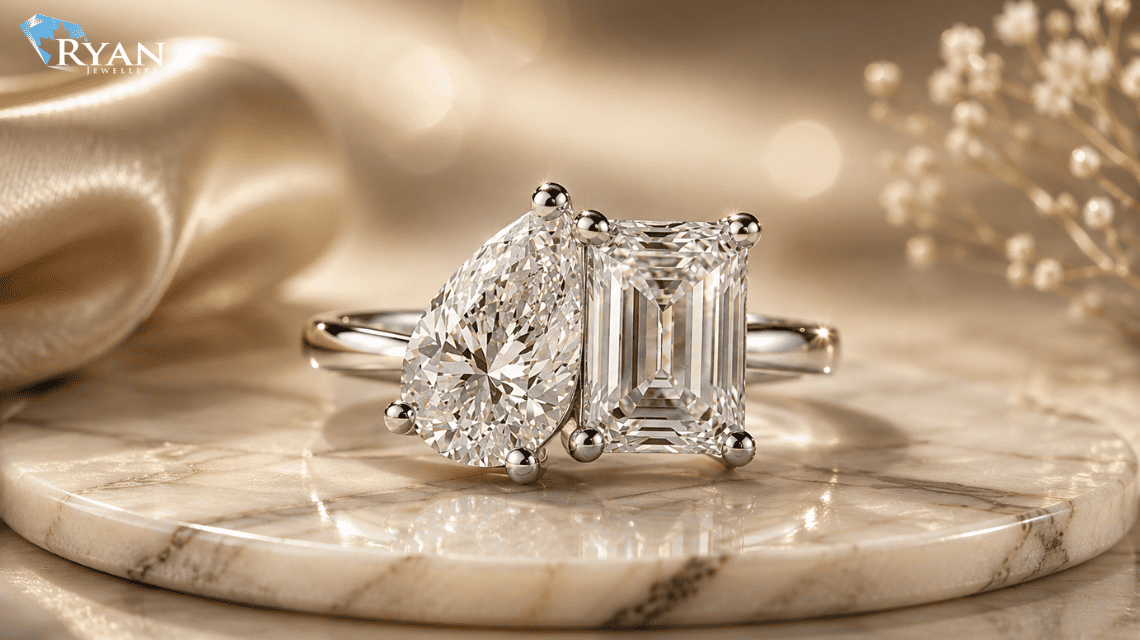
These step-cut shapes have larger, open facets, making inclusions more visible. Higher clarity grades may be preferred for these styles.
Oval, Pear, and Marquise Diamonds
These elongated shapes can vary depending on their cut quality. Carefully evaluating clarity placement is important.
Cushion and Princess Cuts
These popular shapes often balance sparkle and affordability, allowing flexibility in clarity selection.
Understanding how shape interacts with clarity helps buyers choose diamonds that look their best.
👉 Explore our stunning collection of diamond earrings here: Diamond Earrings
👉 Learn more about diamond quality, grading, and buying tips in our complete guide: Diamond Education: The Ultimate Guide to Understanding Diamonds
FAQ – Diamond Clarity
What is diamond clarity?
Diamond clarity measures the number, size, and visibility of internal inclusions and external blemishes within a diamond.
Is higher clarity always better?
Higher clarity is rarer, but it does not always mean a more beautiful diamond. Cut quality and overall appearance are also important.
What clarity grade is best for an engagement ring?
Many buyers choose VS or SI clarity because they offer a good balance between appearance and value.
Can you see inclusions with the naked eye?
Some inclusions are visible without magnification, but many lower clarity grades can still appear eye-clean depending on the diamond.
Does diamond clarity affect sparkle?
Clarity can influence transparency, but cut quality has the greatest impact on a diamond’s brilliance and sparkle.
Final Thoughts
Understanding diamond clarity allows buyers to look beyond labels and focus on what truly affects a diamond’s beauty. While flawless diamonds are rare, many diamonds with excellent cut quality and carefully selected clarity grades can provide exceptional sparkle and value.
At Ryan Jewellers, we help Canadian customers choose diamonds with confidence by offering quality jewelry and education throughout the buying process.
Really enjoyed this article because it explains diamond clarity in a way that’s easy to understand without getting too technical. I especially liked the explanation that many inclusions are microscopic and don’t affect a diamond’s beauty to the naked eye. It’s a helpful guide for anyone trying to balance quality and budget when shopping for a diamond.
Fantastic guide with practical buying advice. The explanation of the clarity grading scale from FL to I really stood out to me because many shoppers assume they need the highest grade available. Do you think most Canadian buyers are now looking for “eye-clean” diamonds instead of paying a premium for flawless clarity?
This was a very informative read. I completely agree that understanding diamond clarity helps buyers make smarter decisions instead of focusing only on carat weight or price. I’d love to see a future article comparing VS1, VS2, SI1, and SI2 diamonds with real photos under magnification and normal viewing conditions so readers can better understand the visible differences before making a purchase