
Summarize the article with:


Understanding diamonds is essential for making informed choices, whether you’re buying an engagement ring, investing in jewelry, or simply expanding your knowledge. Diamonds are not only a symbol of luxury and beauty—they also hold value and history that can impact your purchase decisions. For Canadian buyers, having a solid grasp of diamond education ensures confidence and satisfaction when selecting the perfect piece.
At Ryan Jewellers, we provide a wide range of high-quality natural and lab-grown diamonds, along with expert guidance to help you make informed choices.
Why Learning About Diamonds Matters
Knowledge is key to buying diamonds that offer the best value and long-term satisfaction. Understanding a diamond’s characteristics, history, and grading ensures you can:
- Recognize quality versus marketing claims
- Make informed decisions based on budget and style
- Distinguish between natural and lab-grown diamonds
- Evaluate investment potential and resale value
By educating yourself, you become a savvy buyer who can confidently select diamonds that match both personal preferences and financial considerations.
👉 Discover our curated selection of lab-created diamond rings here: Lab-Created Diamond Rings
Overview of Diamond History and Formation
Diamonds are formed deep within the Earth over billions of years under extreme heat and pressure. These natural gemstones have long symbolized wealth, romance, and status across cultures.
Modern advancements also allow for lab-grown diamonds, which replicate the natural process in controlled environments. These diamonds are chemically, physically, and visually identical to natural diamonds while being more ethical and affordable—making them an increasingly popular choice for Canadian buyers.
Key Diamond Characteristics to Know
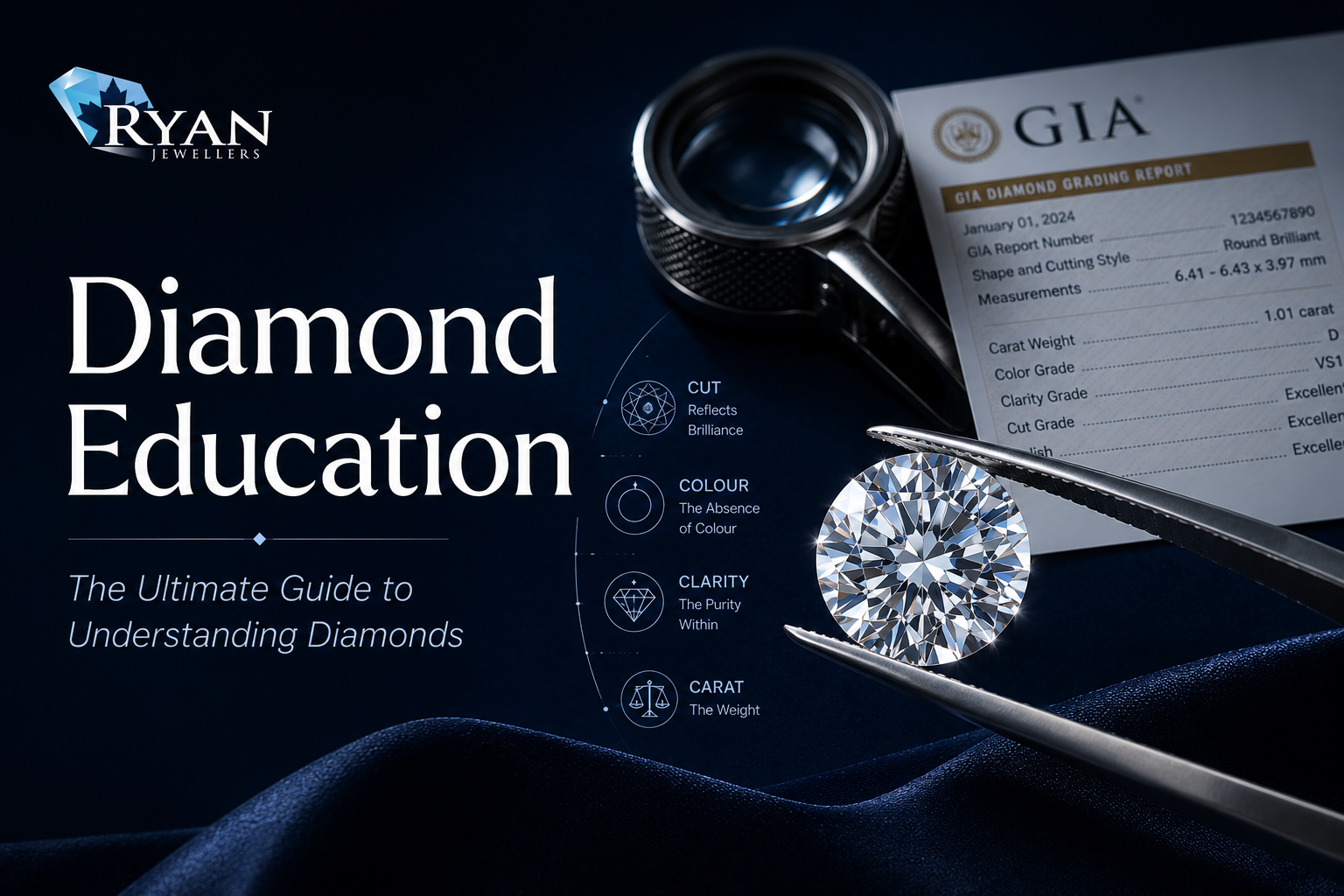
Understanding diamond properties is crucial when evaluating quality. The key characteristics, often referred to as the 4Cs, include:
- Cut: Determines how a diamond reflects light and sparkles
- Color: Ranges from colorless to slight yellow, affecting appearance
- Clarity: Measures internal flaws or inclusions
- Carat Weight: The size and mass of the diamond
These factors collectively influence a diamond’s beauty, durability, and value.
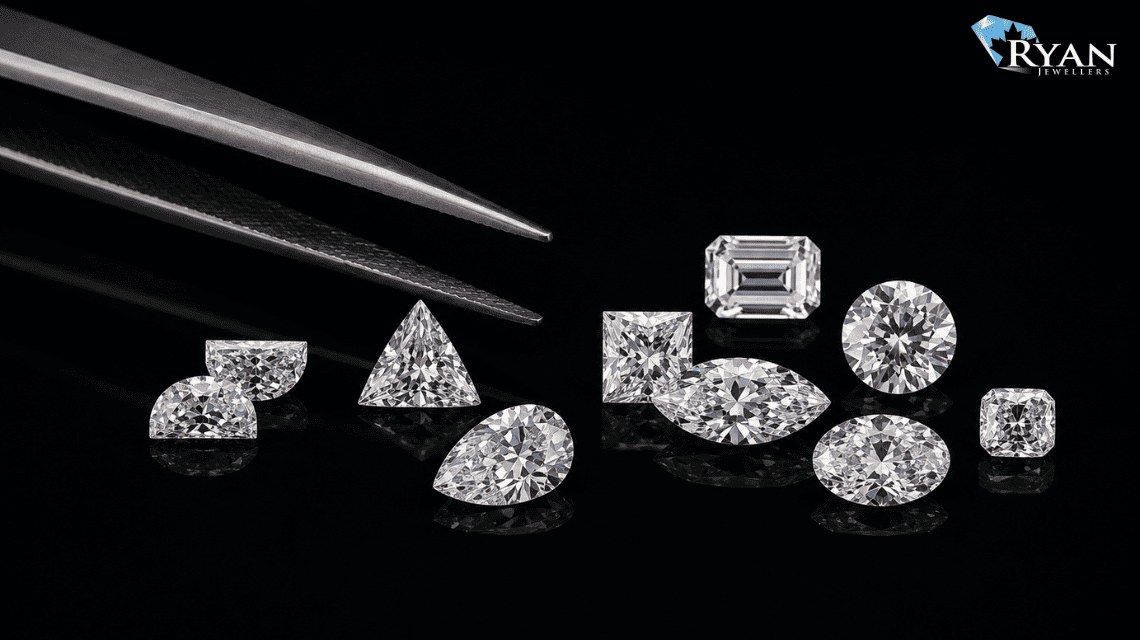
Other factors to consider include shape, fluorescence, and certification by reputable labs such as GIA or IGI.
👉 Discover our curated selection of lab-created diamond rings here: Lab-Created Diamond Rings
How to Evaluate Diamond Quality
When assessing a diamond, consider:
- Certification: Only purchase diamonds with verified grading reports
- Cut and Sparkle: Prioritize cut over carat for maximum brilliance
- Balance Color and Clarity: High clarity and near-colorless diamonds provide visual impact without unnecessary cost
- Lab-Grown vs Natural: Choose based on preference, budget, and ethical considerations
By systematically evaluating each characteristic, Canadian buyers can confidently select diamonds that meet both aesthetic and investment goals.
Tips for Becoming a Diamond-Savvy Buyer
- Do Your Research: Learn diamond grading and terminology
- Set a Budget: Decide how much to allocate based on priorities
- Ask Questions: Reputable jewelers like Ryan Jewellers provide expert guidance
- Compare Options: Evaluate multiple diamonds to understand differences in cut, color, clarity, and carat
- Consider Long-Term Value: Look for pieces that retain both beauty and financial worth
Informed buyers make choices that are both stylish and financially wise.
👉 Explore our stunning collection of diamond earrings here: Diamond Earrings
FAQ – Diamond Education
Why is diamond education important?
It allows you to make informed purchases, ensure value, and choose pieces suited to your needs.
Are lab-grown diamonds as good as natural diamonds?
Yes, they are chemically and visually identical while often more affordable and ethical.
What is the most important factor in diamond quality?
The cut is generally considered the most impactful on a diamond’s brilliance.
Do diamonds hold value over time?
High-quality diamonds, especially certified stones, retain value and can serve as long-term investments.
How do I verify a diamond’s authenticity?
Check for certification from reputable labs such as GIA or IGI and consult with trusted jewelers.
Final Thoughts
Diamond education empowers Canadian buyers to confidently select high-quality diamonds that balance beauty, value, and ethical considerations. Whether choosing natural or lab-grown diamonds, understanding the 4Cs, certifications, and key characteristics ensures a satisfying purchase that can be cherished for years.
Ryan Jewellers offers expert guidance, certified diamonds, and a curated selection of both natural and lab-grown stones to help you make informed and confident choices.
Really enjoyed this diamond education guide because it explains the essentials in a way that’s easy to understand without oversimplifying the topic. I especially liked the section covering the 4Cs and how each factor affects a diamond’s appearance and value. It’s an excellent resource for anyone buying diamond jewelry for the first time.
Fantastic article with practical information for anyone planning to invest in diamond jewelry. The explanation that cut quality has such a significant impact on a diamond’s brilliance really stood out to me because it’s something many first-time buyers overlook. Do you think lab-grown diamonds will encourage more shoppers in Canada to learn about diamond grading before making a purchase?
This was a very informative read. I completely agree that understanding diamond quality before shopping helps buyers make more confident decisions instead of focusing only on carat weight or price. I’d love to see a future article explaining how to read a diamond grading report and what details matter most when comparing two similar diamonds.